


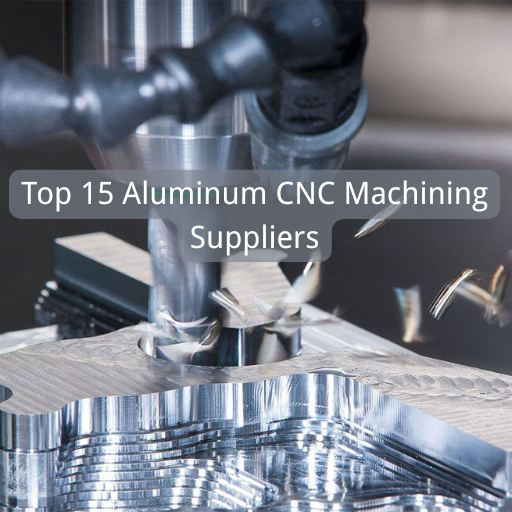
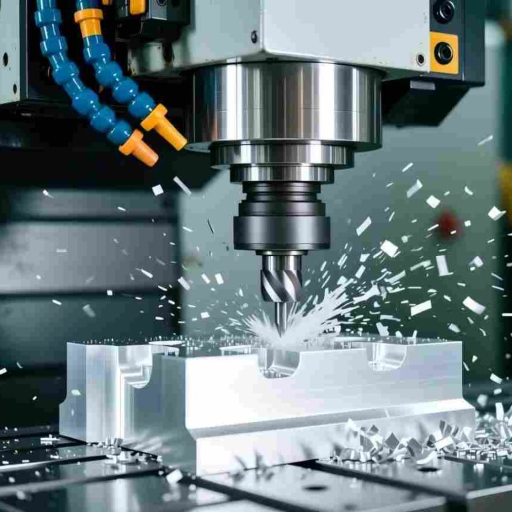
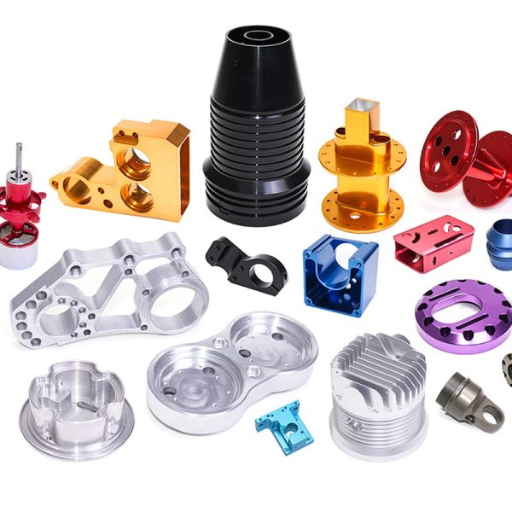
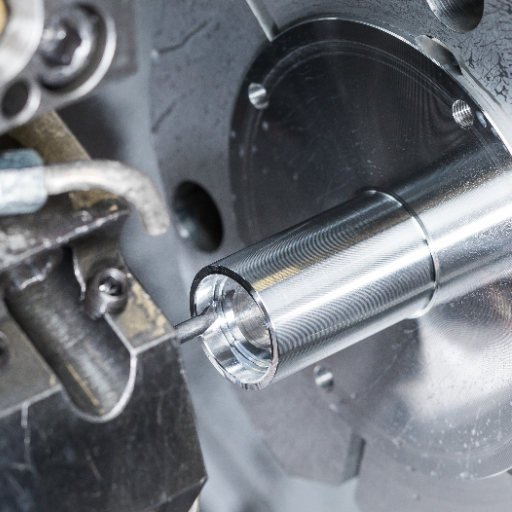


The selection of a reliable partner for the aluminum CNC machining process has implications on the product quality, the lead time, and the overall cost of ownership. The experts involved, which include the engineers, the product designers, and the procurement managers, are looking for machining services that will offer very tight tolerances, uniform surface finishes, and the presence of the most commonly used aluminum alloys in the matrix. The best machine shop, no matter the production size being it prototyping or mass production, is to be found through precision CNC machining, quick instant quote workflows, and quality systems to deliver custom aluminum parts rapidly. This guide will assist in the identification of the cnc services that are skilled in cnc milling, cnc turning, and machining of aluminum parts as a basis for evaluation.
The Importance of Choosing the Right CNC Machining Supplier
A supplier that is absolutely perfect will be the one to provide aluminum machining services that can be trusted one hundred percent for aluminum processing for different kinds of aluminum such as aluminum 6061, aluminum 7075, aluminum 5052, and aluminum 6063. A developed aluminum CNC machining service, on the other hand, can realize tricky tolerance and corrosion resistance requirements on account of its combination of materials know-how and advanced platforms. Suppliers talented in cnc aluminum machining keep steady process control, starting with the intake of cnc machining materials for anodizing to that stage. This allows custom parts for aerospace and automotive programs to meet tight tolerance requirements and production timelines.
Impact on Product Quality and Performance
The knowledge of the supplier is the one that directly impacts the accuracy of dimensions, the repeatability, and the quality of the surface of high-performance aluminum parts. Knowledge of the different types of alloys like aluminum 6061-T6, aluminum 7075-T6, aluminum 2024, aluminum 2014, aluminum 6082, aluminum 7050, and aluminum MIC6 which are taken into consideration for machining, welding and corrosion resistance has a great impact on these. The machine shop, when, during the process of aluminum parts machining, has perfected the parameters for cnc milling and cnc turning at the popular aluminum alloy selections, will obtain a good strength-to-weight ratio which enables over a long period of time, parts in aerospace and automotive industries meeting fatigue, vibration and thermal performance targets with reliable repeatability.
Cost Considerations and Budget Management
Cost efficiency is the result of the combination of toolpaths optimization, setups that utilize intelligence, and matching of the alloy with the application. Precise pricing, an instant quote alternative, and optimized setups all minimize waste and shorten production times from prototype to mass. The selection of the correct alloy such as Al 6061 for good mechanical properties or 5052 for deep drawing and corrosion resistance prevents overdesign and cutting material waste. The decision of the required process such as combining cnc milling with cnc turning and using anodizing as the finishing operation is made right at the start, thus assuring that the metal parts will be of the needed quality, and at the same time there will be no rework, no logistics, and no risk of lead-time.
Long-term Partnerships and Reliability
Dependable suppliers not only provide the necessary features as high-quality capacity, strong quality management system, and preemptive design for manufacturing but also they are able to do so by going through the whole process of transferring the product from prototype to mass production. Working with a reliable aluminum CNC machining service means that the custom aluminum parts will always be in accordance with the specified changes, that the correct documents for cnc parts will be made available, and that moving from prototype to production within the limits of very close tolerances will not be a challenge. The supplier’s ability to handle different materials such as 7075 for its high strength or aluminum 6061 for its good machining has helped the aerospace and automotive programs meet their deadlines. By using common QMS techniques, delivering on time and providing DFM assistance the supplier will not only enhance long-term results but also cut costs throughout the product lifecycle.
Criteria for Selecting and Ranking Suppliers
Apply a methodical framework that considers quality, speed, and cost as equal factors, with evidence of tight tolerance and uniform surface finishing. Certifications, technological capabilities, customer feedback, and demonstrated production capacity across prototypes and production are our criteria. We pay special attention to tight tolerance maintenance for aluminum components, surface finish uniformity, and the ability to work with different kinds of aluminum like aluminum 6061, 7075, and 5052. Suppliers need to prove having excellent process control, using open instant quote systems, and having built up their reputation in aerospace and automotive industries through their performance.
Certifications and Industry Standards
Locate and request ISO 9001, AS9100, ITAR and documented traceability with PPAP/FAIR readiness. ISO 9001 and AS9100 are indicators of stringent regulation of the quality management system for precision CNC machining, while compliance with ITAR is usually a necessity for the aerospace sector. Material traceability for aluminum alloy lots, calibration records for each CNC machine, and documented process controls for anodizing, welding, and inspection are the must-have elements. The suppliers are required to stand up for their PPAP or FAIR readiness, providing comprehensive CMM reports for CNC parts, and making clear their handling procedures for CNC machining materials in order to achieve reproducible machined aluminum parts.
Technological Capabilities and Innovations
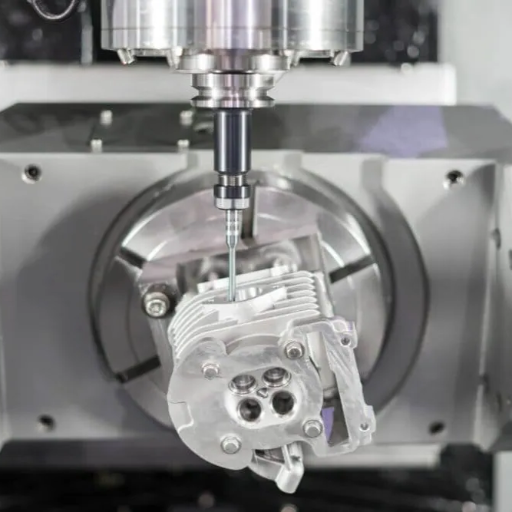
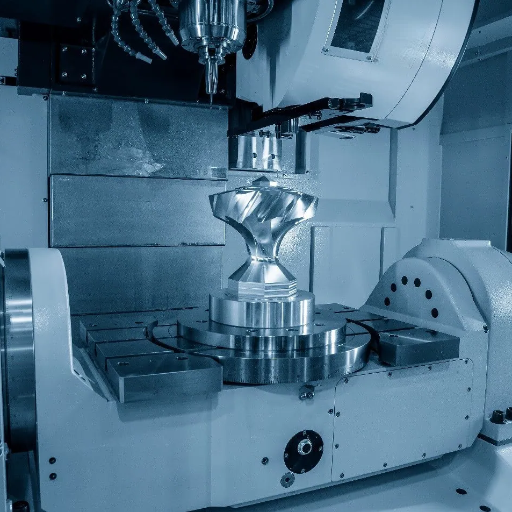
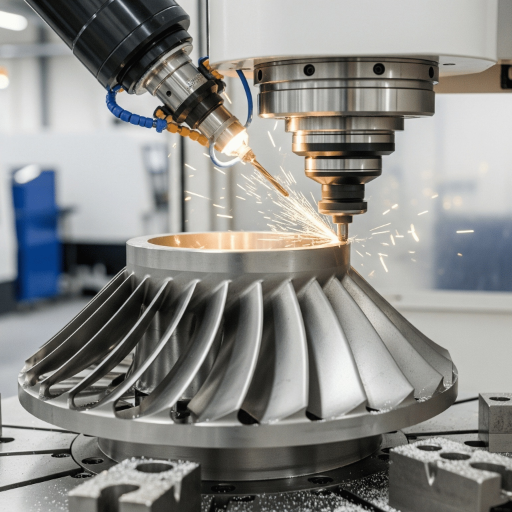
The incorporation of the latest 5-axis machines, in-process probing, and adaptive toolpaths into the machining process makes the processing of complex parts, fast, and done with a consistent, high-quality finish as if they were made on the best machine possible. Companies equipped with the latest and most advanced milling and turning machines, besides high-speed spindles and 5-axis material removal, are the leaders in this area because they can regularly produce custom aluminum parts with a good and uniform surface finish. The access to 6061, 7075, 2024, 2014, 6082, 7050, MIC6, 5052, and 6063 alloys is a big plus when it comes to the flexibility of the methods in terms of the most commonly used aluminum alloy families. One of the breakthroughs is the adaptive toolpaths that are being created for the machining of aluminum parts, in-process probing and wear monitoring of the tools which get ready for anodizing that is integrated. A well-established machining center plays a vital role in DFM, fabrication, and automated instant quote workflows support.
Customer Reviews and Reputation Analysis
Positive consumer opinions and comparative studies indicate that timely, within-tolerance delivery are the major indicators of success. Dependable cnc services show great customer feedback on quality, responsiveness, and timely delivery of custom parts. We scrutinize authenticated reviews to find proof of close tolerance outcomes, even surface treatment, and good interaction during both prototyping and production stages. Testimonies from the aerospace and automotive industries point to the trust in the high strength-to-weight ratio requirements and the anticorrosion resistance results. Comprehensive case studies that explain metal cutting difficulties, alloy selection, and resolution of disputes give a strong premise that the service of aluminum CNC machining can produce parts at scale with low rework.
Production Capacity and Lead Times
The risks associated with lead time are minimized by the use of scalable assets, intelligent scheduling, and having skilled secondary processes. Scalable capacity is a must if the production shift is to be from the prototype stage to mass production without the quality standard being affected. Our evaluations include not only the number of CNC machine assets and their mix but also spindle utilization, shift coverage, and the preventive maintenance practices followed in both the milling and turning cells. Using advanced scheduling systems, employing buffer strategies for aluminum machining services, and having adaptable setups are some of the ways lead times of parts for the automobile industry and aerospace assemblies are reduced. The presence of quick-change fixturing, standardization of tooling, and qualified secondary processes such as anodizing and welding allows for the maintenance of high strength and corrosion resistance targets while delivery commitments are being secured.
Overview of the Top 15 Aluminum CNC Machining Suppliers
Conclusion: Choosing the Right CNC Machining Partner
The aeronautics certification, the highest levels of process control, and the ability to breathe aluminum should be perfectly aligned with the aims of your project. The selection of a partner for aluminum CNC machining entails dating the certifications, process control, and proven machinability with the requirements of the project your program. Moreover, the ideal machine shop presents an expert CNC machining of various families of aluminum alloys, such as aluminum 6061 and aluminum 7075, up to aluminum 5052 and aluminum 6063, keeping strict tolerances and smooth finishes. Moreover, it is important to check if their CNC services provide the entire range of operations such as CNC milling, CNC turning, fabrication, and anodize readiness with documented resistance to corrosion. As a consequence, give a top priority to quote transparency and the ability to scale from prototyping to full production. The best aluminum CNC machining service provides you with instant quote transparency, scalable capacity from prototype to production, and the capability to machine aluminum like the high-level quality of aircraft parts and car parts, all of which have excellent strength-to-weight ratios.
Evaluating Your Project Needs
It is necessary to map requirements first before the decision is made on the supplier. When doing so, not only the properties of the alloy must be taken into account but also their tolerances, finishes, and quantities. The very first step is to analyze the functional requirements with respect to the alloy properties and the employed processes. Amongst the alloys from which to choose are aluminum 6061-T6, aluminum 7075-T6, aluminum 7050, aluminum 2024, aluminum 2014, aluminum 6082 or aluminum MIC6, which best support the factors of strength-to-weight ratio, thermal stability, and welding considerations. For the varying production stages starting from prototype to volume, specify tolerance bands, surface finish and corrosion resistance goals together with the expected quantities. Designs should be assessed in terms of whether they are going to be produced via 5-axis CNC milling, mill-turn cells, or dedicated CNC turning. Any necessary secondary operations such as anodizing, chromating, or fabrication should be enumerated. Your risk and compliance requirements should be in harmony with the expectations regarding lead time, depth of inspection of CNC parts, and documentation for machined aluminum parts.
Questions to Ask Potential Suppliers
Confirm the routine alloy experience, process controls, capacity, and documented results. Test their capability and credibility by asking specific questions. Find out what kinds of aluminum and the most common aluminum alloy grades they are doing machining and ask for sample CNC machining aluminum reports that include CMM results for tight tolerance features. Check process control for finish and anodize preparation that promotes corrosion resistance. Ask for spindle mix on every CNC machine, fixtures for thin-wall aluminum parts machining, and management of tool life that keeps excellent machinability. Inquire about the instant quote methodology, capacity plans, and typical lead times from proto to production. Verify weld compatibility recommendations, traceability of CNC machining materials, and the automotive or aerospace case studies examples.
Final Tips for Making an Informed Decision
First, run a pilot program, assess the total landed cost of parts, and select those manufacturers with DFM and contingency capacity being clearly defined. Partnering with the companies which are able to produce aluminum consistent quality for custom parts and have proved their CNC machining precision with phenomenal results will be the subsequent action. The first prototype for the pilot run will contain the essential functions for the testing of the surface quality, dimensional stability, and high strength-to-weight ratio claims. The total landed cost comparison will include not just the machining service rate but also anodizing, inspection depth, and logis-tics. Transparent DFM feedback, standard setups for milling and turning, and contingency capacity should be the reason why you give preference to shops. Make a thorough assessment of the communication frequency, NCR response time, and the use of a continuous improvement metric for aluminum machining in CNC. In the end, the selection of an aluminum machining services provider will depend on which quality system, technology, and responsiveness are the best match with the program’s risk, schedule, and performance objectives.
Prepared to start seeking a suitable CNC machining ally for your aluminum project? This guide will help you to choose wisely in a way that satisfies your requirements concerning quality, timeline, and budget.