


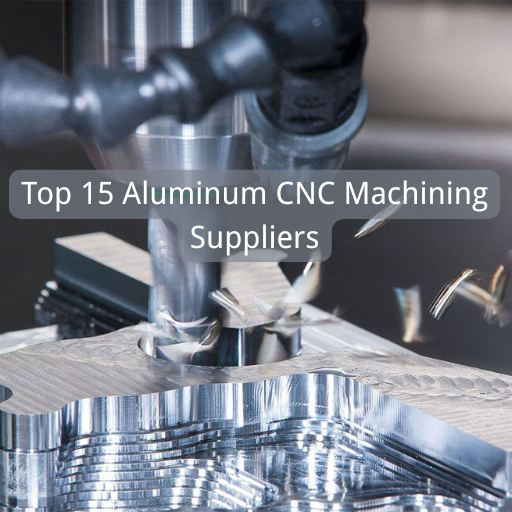
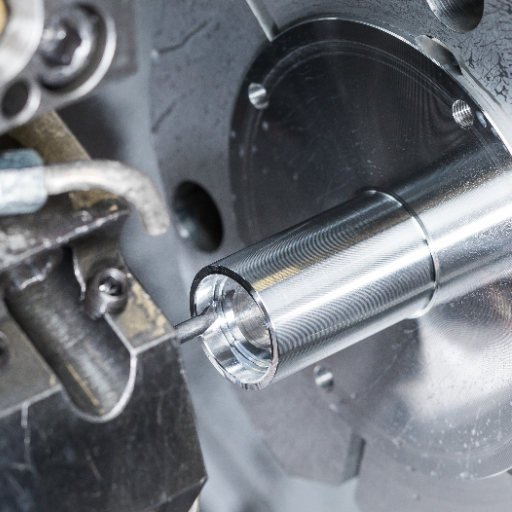
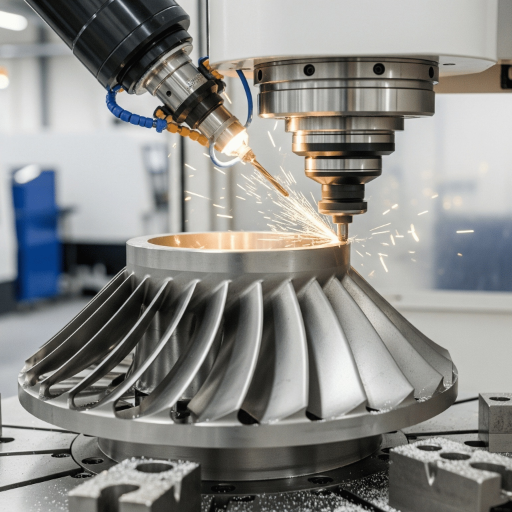
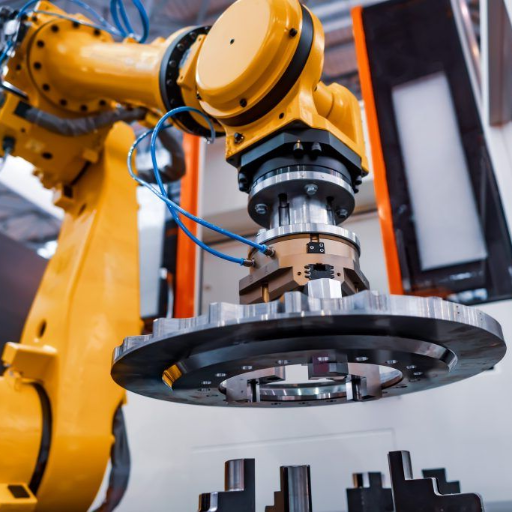
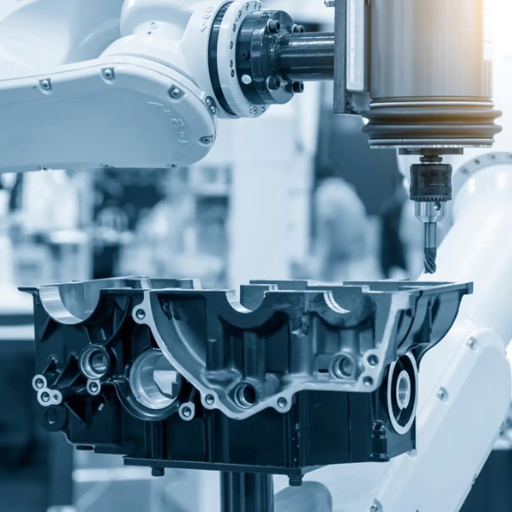


Transitioning from prototype to small-scale production is a highly essential part of the product development lifecycle. For quite a number of firms, it is the moment to decide whether to produce a product or not after design changes, testing, and preparation of any product into mass production. Here comes CNC machining-an extremely flexible and reliable technology, which means that cost and time would both be minimized- that happens to be the eminent candidate for rapid manufacturing. This blog post aims to see how CNC machining stands in bridging the gap between prototyping and small-scale production, eventually representing precision, efficiency, and scalability. After reading this article, you will have a good understanding of why CNC machining is such a game-changer for startups, small businesses, or bigger companies as well, so that a seamless transition can be borne out while striving to maintain product quality in lessening time-to-market.
Understanding Low-Volume Aluminum Machining
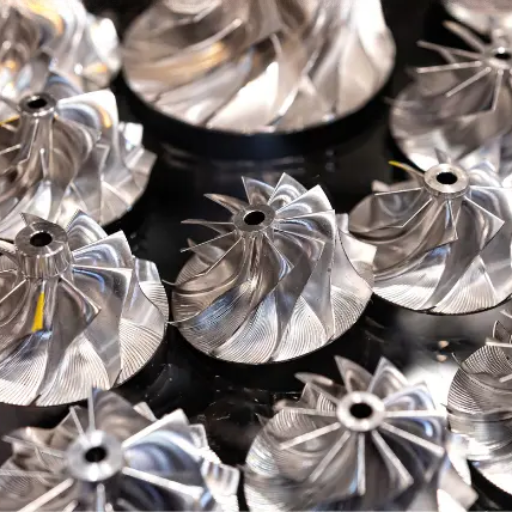
Low-volume Production of aluminium involves the manufacture of small quantities of aluminium parts with precision and efficiency. This is a perfect solution for situations demanding the production of prototypes, customized parts, and short production runs. This process is built upon CNC technology that has been implemented to consistently and accurately create parts with minimal waste. Consequently, it would provide advantages like shorter lead times in manufacturing for lower batch quantities; there is no such need for extremely extensive retooling in case one decides to make design adjustments or changes. Noteworthy, Low-volume Aluminum Machining plays a critical role in industries in which sophisticated, high-strength components with good precision are required, i.e., aerospace, automobile, and consumer electronics enterprises.
Definition of Low-Volume Aluminum Machining
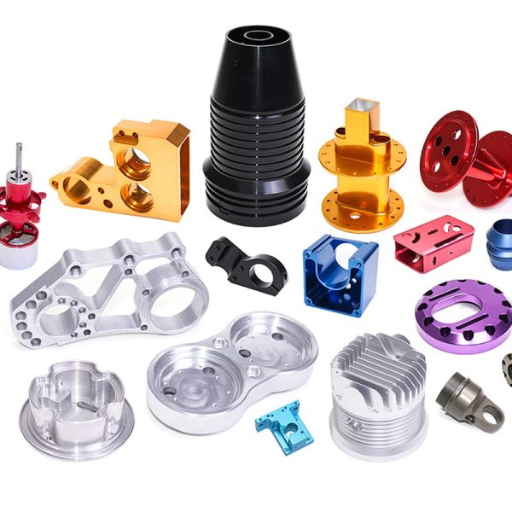
Low-volume aluminum machining generates high precision aluminum components in a low quantity, usually ranging from only a few parts to some hundred parts as required by the project. This entails the convergence of sophisticated Computer Numerical Control (CNC) machining techniques with strong and lightweight aluminum materials to forge parts accurately and efficiently. There is a mounting requirement for industrial applications of low-volume aluminum machining for prototyping, bespoke parts, and low production runs. This processing method lends itself to scalability, lower overheads, and speedy adaptation of changes in design. With such a manufacturing method, a project can achieve great product output quality without undermining cost competition and production flexibility.
Benefits of Low-Volume Manufacturing
Cost-Effectiveness
Low-volume manufacturing should theoretically reduce upfront costs by eliminating the need for high-cost large-batch production-setups and machineries.
Faster Time-to-Market
somewhat short time-lapse in between prototyping and production gives room for the manufacturing of products when they are still acceptably new to the market, hence outvalue the competitors.
Flexibility in Design Changes
This permits one to easily, quickly, and inexpensively make modifications to designs without having to go through much retooling.
Risk Mitigation
By going into fewer pieces by large single production, companies can risk a chance to further test and validate their products on the market before going into an open-ended full-scale production.
Customizability
Low-volume manufacturing provides an opportunity for the production of tailor-made or specialized products catering to the requirements of defined customer markets.
Challenges in Low-Volume Aluminum Machining
- ▸
Higher Production Costs: Expenses attached with the production of low-volume aluminum machining are high for every unit because the needed economies of scale do not come into effect. - ▸
Limited Tooling Efficiency: In the case of smaller production runs, the setup and tooling process might not be as optimized leading to a longer set-up time, increased time, and increased expenses. - ▸
Material Waste: Frequent modifications and fine-tuning may result in greater material wastage; hence waste can increase with small batches. - ▸
Lead Time Variability: Extending the lead time in the case of custom designs and prototypes will increase the time for delivery. - ▸
Precision and Quality Control: Producing smooth and reliable outputs with a highly advanced mechanism and skilled operators would be quite tedious.
The Role of CNC Machining in Aluminum Parts Production
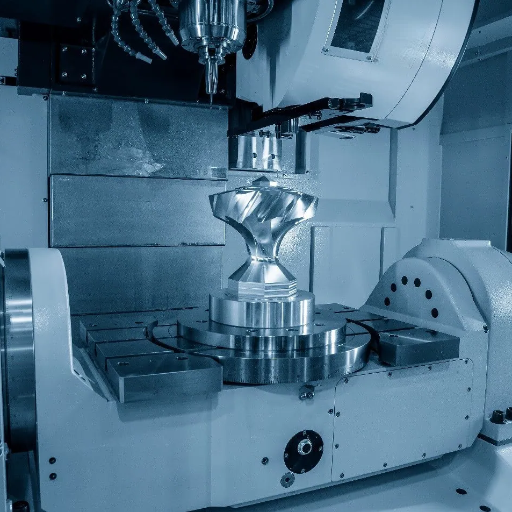
Prerecorded steel act as the nucleus of wall assemblies: again, a setup of prerecorded steel beams has the potential to be the starting point for constructing applied science walls and roof structures. Such steel wall frames with appropriate external panels rest havoc with superior energy output; the smoke division maintained within these structures makes heavy earthquake control. This majorly reduces energy efficiency within commercial premises, physical operations, or render aspects of a building projectwork. It is up to explain its usefulness.
Overview of CNC Machining Services
Among these higher-end precision manufacturing facilities coinciding with the mainstream CNC machining, industries like electronics, aerospace, and medical are largely in the fore of adoption, offering services in milling, turning, drilling, and surfacing by ordering for a complex range of output from computing-based equipment. CNC machining can work for a variety of materials, like aluminum, steel, and titanium, as well as plastic. There are many points of note about CNC machining services, with all the talk about the precision and repeatability of the technology relative to manual cutting operations, rapid production times, freedom in the geometric design it can permit-and often the chance to partial out other operations like finishing amounts or assembly-for a total package of customization to attend to consumer needs.
Precision of Aluminum CNC Machining
Comparison with Traditional Machining Methods
CNC machining surpasses traditional machining in precision, automation, efficiency, consistency, complexity, and scalability.
| Parameter | CNC Machining | Traditional Machining |
|---|---|---|
| Precision | High | Moderate |
| Automation | Yes | No |
| Efficiency | High | Low |
| Consistency | Excellent | Variable |
| Complexity | Complex | Simple |
| Scalability | Easy | Difficult |
Prototyping with Aluminum in Low-Volume Scenarios
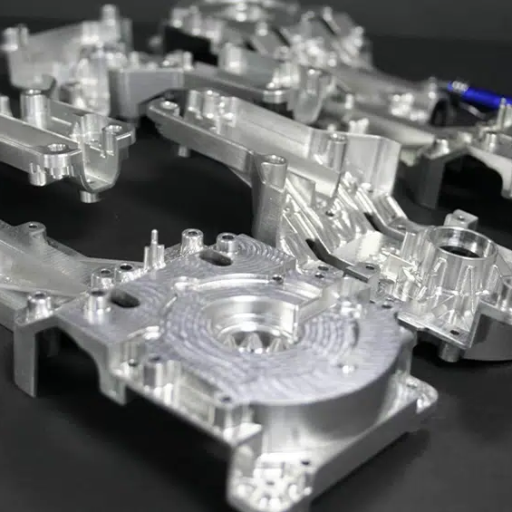
Aluminium is the right material for reasonably low-volume prototyping because of its unique mix of properties. Being light in weight, aesthetically strong in strength, easy to machine with, and easy to create good accuracy detailed prototypes with, including intricate details essential for intricate aluminum parts. Further, aluminum is affordable in small-volume runs, as it is very robust under the light and allows for rapid fabrication with very little waste at minimum cost. Furthermore, the knowledge of their corrosion resistance and up to excellent conductivity for heat-rating aluminium appropriate to be used to serve their applications across numerous industries including air travel, vehicles, and electronics. All these reasons account for aluminum is known to be a very useful and cost-effective means for performing low-volume prototypes.
Benefits of Prototyping in Aluminum
- Strength and Durability: Aluminum offers excellent strength-to-weight ratio. It should ensure your prototypes are made strong enough but are light by design for a lack of heaviness.
- Corrosion Resistance: Its natural oxide layer that resists to natural rusting and external stimuli qualifies its longevity against the impacts of proto manufacture.
- Ease of Machining: This material is so comfortably machinable that it allows and promotes the creation of intricate designs-cut with moderate cutting times.
- Thermal Conductivity: Aluminum’s high capacity for transferring heat means that aluminum materials can be used in applications where heat shedding is an important performance requirement.
- Cost-Efficiency: Aluminum proves to be really cost-effective. Especially in small volume production, its use may bring overall cost cutting on prototyping projects.
Case Studies of Successful Prototyping Projects
Case Study 1: Lightweight Automotive Component
Aluminum was used as a prototype of an automotive manufacturer to lightweight an engine component. This increase reduced vehicle weight resulting in high fuel efficiency and overall product durability. High formability was advantageous to give significant machinability guaranteeing quick iterations, thereby reducing the timeline in product development.
Case Study 2: Consumer Electronics Heatsink
A global electronics company crafted aluminum prototypes of a heat sink for a non extant laptop. This material guarantees high thermal conductivity for the relatively efficient discharge of heat; this was necessary to ensure a consistent performance of hardware in high-demand working conditions. Thus, before finalizing the design and manufacturing, the study could run as many as possible design iterations for analysis on cost effectiveness for both technology and application attributes.
Case Study 3: Architecture Model
Aluminum was used by an architecture company to make an intricate scale model of a futuristic building design, displaying detailed patterns and strong construction while looking sleek and elegant. Versatility in aluminum also helped, this time-handling with the creation of thin, crisp features that were so visual communication bolstering for stakeholders.
What is clear from these examples is that aluminum is a material given families, and its use in prototyping in different industries always turns into significant success stories.
Transitioning from Prototype to Production
Refinement of design ensures actual functionality, scalability, and efficiency from the prototypes. This requires planning and addressing challenges common to sourcing the appropriate materials, using the best manufacturing processes, and complying with the relevant regulations. This phase is therefore designed for this kind of best practice, of which some possibilities could be based on all the contemporary design tools, including computer-aided design (CAD) and 3D printing, and work involving precision to produce a final prototype that can closely mimic an actual production model.
Nowadays, businesses are very determined to utilize automation and digital twin technologies to closely monitor and fine-tune production in real-time. Unplanned decent memory and innovation are part of the operation that can only make this a reality for a better transition frame from concept to mass production, leading to quality products equal to or above consumer market expectations.
Machining Capabilities for Aluminum Low Volume Production
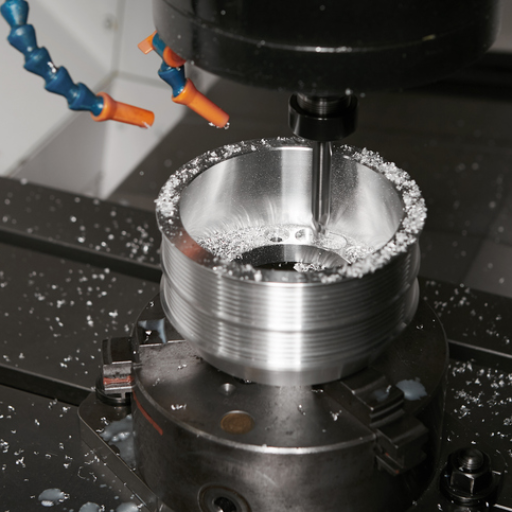
Due to the precision machining skills it demands, low volume production of aluminum often ensures excellence in servicing. Skills such as CNC milling, CNC turning, or drilling offer the most accurate dimensions and finishes. Many times, rapid prototyping and custom tooling can be of help in fulfilling the specific requirements of design and, also, increasing the efficiency of production. Not only do these techniques give credibility to reliability and scalability, but they also make small runs very cost-effective.
Overview of Machining Process for Aluminum Parts
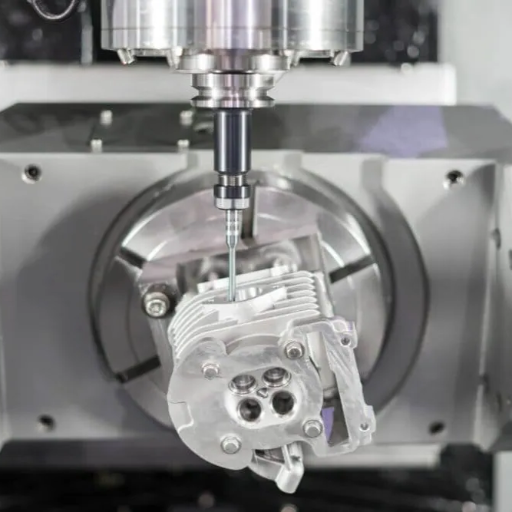
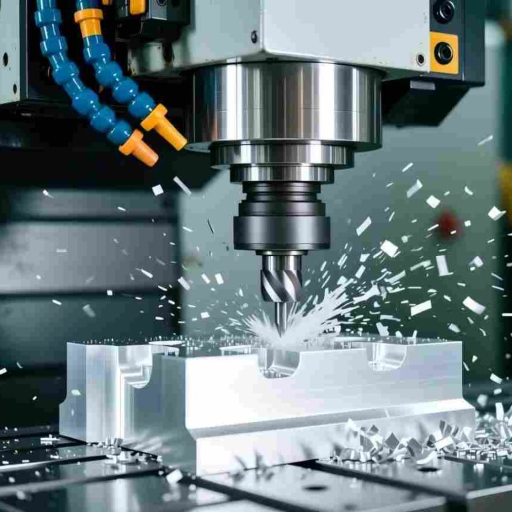
Working on aluminum parts is a tricky process consisting of several steps to produce accurate but efficient results. First, the buyer selects raw aluminum according to the parameters necessary – strength and weight – for the part. The next step is to use computer-aided design (CAD) software to produce a detailed model of the desired part. After that, there is the CNC (Computer Numerical Control) machine cutting; examples of CNC machining are milling, turning, drilling, etc. whereby the desired aluminum part is cut according to the drawing. Some post-machining processes have, at times though not on all occasions, included deburring and finishing for smooth edges and great surface finish. Its lightweight property and easy machinability make aluminum perfect for ensuring excellent accuracies and uniformity in different industries.
Extrusion and Fabrication Techniques
It is widely accepted through the industry as a method of keeping aluminum at a continuous length, segmented with an equilateral cross-sectional profile, be it rods, tubes, or other configurations. This method includes injecting the malleable aluminum billets, while heated, through extrusion windows, designed to be a particular shape. Modern techniques for extrusion will control dimensions with precision and result in complex geometry in the construction, automotive, and aerospace fields.
Moreover, fabrication encompasses a broad range of techniques from cutting to welding, bending, and assembling, and are used in various combinations for bending or assembling extrusions into any of the many possible final products. It is very efficient and accurate when the techniques of laser cutting and automated fabrication systems are used. The combination of extrusion and fabrication help produce rugged, light-weight, durable solutions specially designed for the changing needs of industries.
Small-Batch Production and Its Benefits
Production of low volume of castings in aluminum offers much advantage, mainly to those industries where flexibility and customisation are the criteria. By doing so, aluminum castings can be tailored to limited demand, thus minimizing material waste and/or unnecessary stock accumulation. This opens out a vast avenue for quick prototyping and fast counteraction to market fluctuations that favour experimental designs or any other custom requirement. Additionally, low-run production saves losses from overproduction and ensures quality itself ensures a better attempt to optimizing resource utilization for the very best customer satisfaction.
Cost Considerations in Low-Volume Aluminum Machining
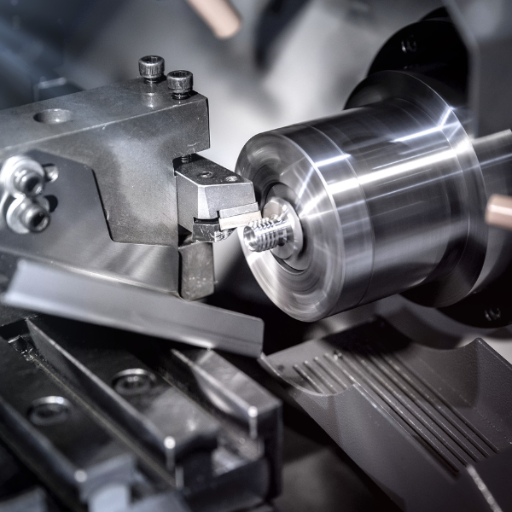
Low-volume machining of aluminum provides cost-effectiveness by utilizing resources systematically and averting overproduction. Reducing setup times is sought here to save time and materials by means of well-thought-out ground plannings, and making use of promising advanced machining technologies. Against the background of small-batch production, the producer might not invest upfront in expensive raw materials while designing for changes at the cost to the company. In order to make production cost-effective and at the same time keep quality on the safe side, machining tools may have to be selected with caution and quality checks and measures observed seriously. These methods pool their resources to strike a balance between cost and quality in low-volume aluminum machining.
Material and Labor Costs
As a result of the very factors which include the grade of material, size of machining and fast turnaround times, the costs for materials and labour involved in low volume aluminum machining differ. Although, aluminum is quite cheap and in plenty for use, prices may tend to be higher for alloys of the same. The cost of labor is determined by among other things skilled labor to do the machining, accuarcy of the design or how long it will take to do or monitor the process. Proper costing of these processes can be achieved by employing productive machining techniques and reducing wastage.
Machine Time and Budgeting Strategies
While discussing the machine time and budgeting policies in the context of low volume aluminum machining, several key factors that may influence the overall cost should be considered. Machine time is the most important in this case since it goes hand in hand with production efficiency and machine utilization. In particular, complex shapes or features that require intricate machining take more time and consequently budget. Tool path minimization, appropriate speeds selection and machine idling time minimization are some approaches that work to minimize the costs.
Apart from this, analyzing the setup time in low-volume production is also necessary. It is usually expensive because skilled operators are needed to set up the machine and usually for smaller batches careful setup practices are required. The size of the batch per say and the complexity of the appart will also determine the extent to which each cycle timing will vary. Impoverishing these bottlenecks will be achieved through speeding up the setups and usage of easy to change tooling.
When it comes to manufacturing a part which is complex yet on a low scale, one must also consider effective use of available materials. The application of advanced nesting techniques or use of CAD software in reducing the degree of waste helps in ensuring that maximum possible amount of the input material is used with minimum wastage of material or purchase costs due to engagement of extra raw material. Automating of the processes wherever such automation is possible helps to make the process even more optimized and budget friendly.
Efficient budget planning skills include the management of costs and quality as well as accuracy, which could go to allow for working with precision machinists and engineers as well. Using these recent machining instruments and tools that rely on data analysis, designers can estimate the costs of a project instead of consuming all monies required without any plan departing for low volume aluminum machining.
Financial Planning for Prototype to Production
Financial optimization of low volume aluminum machining required various determinants of cost to be considered such as cost of materials, labor and the time of production. Material expenses must be estimated by first predicting the amount of aluminum required and then using current prices to develop clear limits for the materials expenditure. The expense of labor must be accounted for the time spent on the machining of the unit including assembly and any associated reworking, so sufficient effort of skilled staff is paid for.
There are also other essential features connected with extra costs for the setup, such as, cost of all the tooling and/or the preparation of the working programs or fixture. To avoid high expenses, it is advisable to divide, where applicable, the setup cost over more than one unit or batch. One of such significant management concerns is to predict vinyl production timetables — this includes delays which may be found acceptable or affordable changes to avoid potential cost overruns.
Application of software in estimating expenditure as well as tracking output helps different stages of planning to be effective. During the manufacture and ensure that it’s viable he/she is able to control and provide a conducive atmosphere while monitoring these processes due to the availability of real time information and related improvements.
Reference Sources
-
Prototyping and Low Volume Production of Sheet Metal Components
This study explores new methods for low-volume production and prototyping, including the use of CNC milling.
Read on DiVA Portal -
Advances in Prototype and Low Volume Sheet Forming and Tooling
This article discusses standardized tooling and rapid prototyping methods, including CNC machining.
Access on ScienceDirect -
Rapid Prototyping and Low-Volume Manufacture
This chapter discusses the growth of rapid prototyping and small-batch manufacturing, including CNC applications.
Access on Springer - Custom Aluminum CNC Machining Service from China
- Custom Aluminum CNC Machining Service
Frequently Asked Questions (FAQs)
How does low-volume aluminum machining fit into the cast or machining manufacturing process?
Low-volume aluminum machining often complements or replaces metal casting for small lots or small-scale production; while metal casting can be economical for high-volume production, low-volume production alternatives based on precision machining technology would hold tooling costs and lead times to a minimum, avoiding exorbitant casting tooling. Precision machining center and high-precision CNC equipment provide a better choice for the tight tolerances aluminum parts require, while many casting technologies cannot give the precision needed. Therefore, CNC analyses of these CNC-machined components deliver their cost-effectiveness when subjected to prototypes or small batches.
What are the advantages of using precision CNC and modern machining centers in low-volume aluminum machining?
In NC and state-of-art machining centers, all machined parts come one after the other – with precision, making sure minimal setup is needed and all come out of the system with consistent quality of grade. In low volume production, quick change overs are necessary. It works on any type of non-ferrous alloys such as aluminum and produces accurate features from a 3d file. The approach to precision CNC machining saves time for buying and also lowers the cost of tooling while keeping ISO-quality standards and inspections, allowing for small batch production and production runs for low-volume requirements.
Can low-aluminum-volume machining be cost-effective compared to casting?
For smaller projects, the low-volume aluminum machining can indeed be cheaper than casting due to the absence of the cast tooling and metal cast mold costs. Short-run CNC machining should ultimately create a shorter time into market and shorter initial investment in certain instances in the form of yearly volumes or individual prototypes. But as soon as your production runs hit a really high number, head over casting or another general method, maybe due to the amortization of the tool blow.
What would be the impact of cost of tooling on the machining of low volume of aluminum producing?
Cost of the tooling used in the production of aluminum decreases for small runs as compared to large runs, as if the latter had to set aside for special equipment. A machining center uses cutters and fixtures that are usable again. Without a well-made 3D file, the company simply cannot work correctly: thereafter, engineers use CAD-generated models to create a CAM, which in turn is used to control CNC and machining centers. Thereby, expenditures on time and effort are kept to a minimum and the manufacturing services can still be further implemented in cost savings due to issues such as reduced preparation time and prototypes.
What criteria would I use to choose between low-volume CNC machining and full production strategies?
The choice between low-volume CNC machining and full production should be dependent on annual volumes of production, budgetary considerations, and time-to-market considerations. With the advent of 3D file-formed machining, possibilities have opened for low-volume machining, giving potential for flexibility in terms of short-run, prototyping and development processes. While cost per part can be reduced for higher-anticipated volume via casting or other high-volume methods as an explanation, it is also the truth. Some manufacturers perform a hybrid production model that includes starting with precision CNC for the first period, followed by transitions to metal casting or other automated processes as the mechanical demand justifies the investment.