


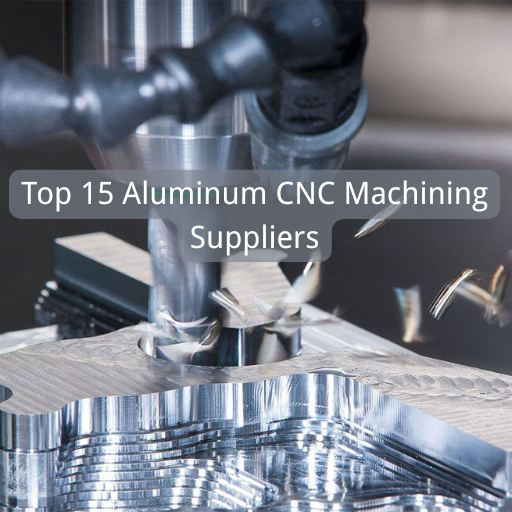
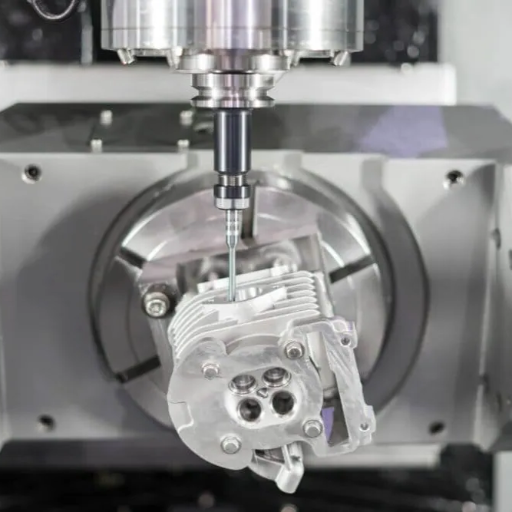
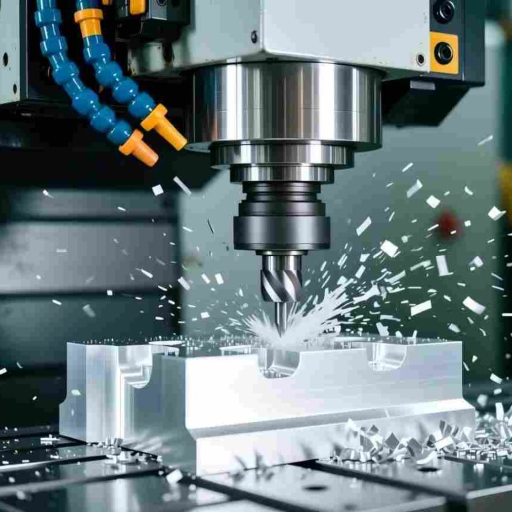
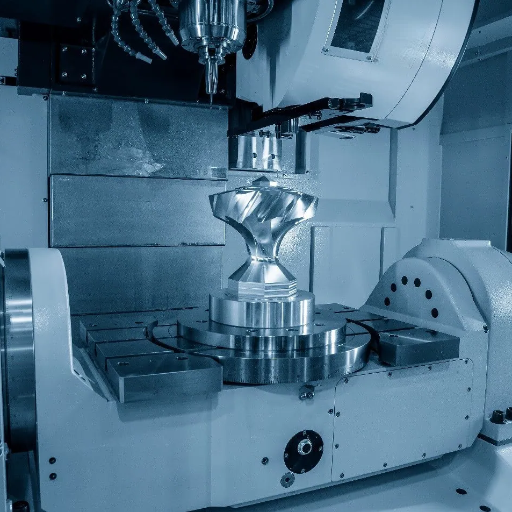
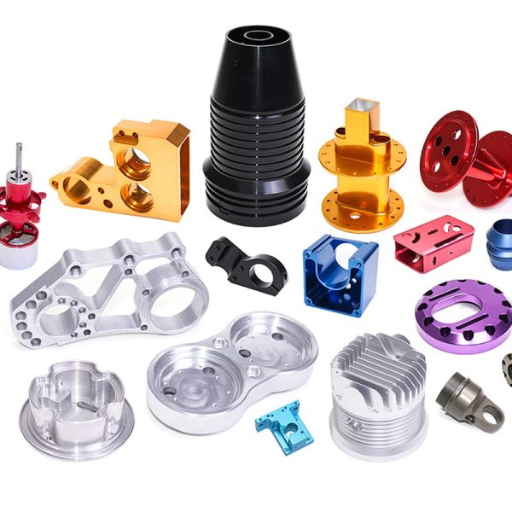
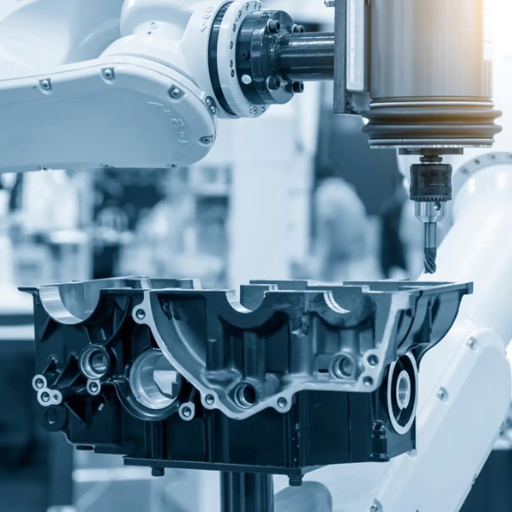


Custom aluminum machining is an advanced manufacturing process that is revolutionizing the aftermarket sector in the automotive and electric vehicle (EV) industries by enhancing performance, durability, and aesthetics. This precision-driven process enables the production of lightweight components specifically engineered to meet the requirements of modern vehicles. Whether you’re improving a high-performance sports car or maximizing EV efficiency, custom aluminum machining ensures unparalleled flexibility and quality. This comprehensive guide explores the main advantages of this technology, its contribution to the development of prestigious automotive and EV designs, and why it is considered a game-changer for car enthusiasts and industry professionals alike.
Introduction to Custom Automotive Machining
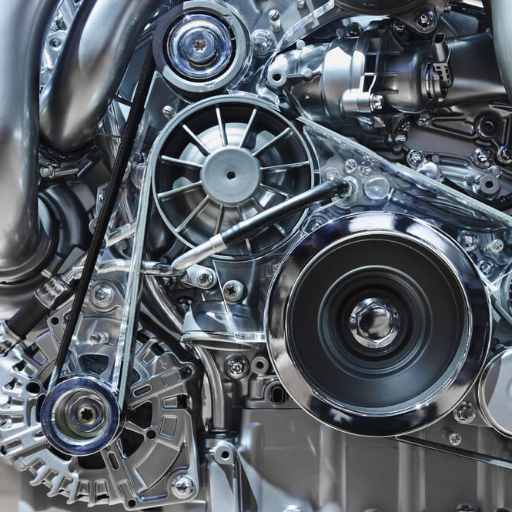
Custom automotive machining is the process of manufacturing precision-engineered components for a specific automotive application. This process enables the production of parts that are highly accurate, strong, and high-performing, making it well-suited to the demands of modern cars, electric vehicles (EVs), and performance cars.
By adopting advanced machining methods, manufacturers can improve performance, reduce weight using materials such as aluminum, and increase overall process efficiency. This approach enables vehicles to deliver maximum functionality and cutting-edge technology while meeting stringent quality standards.
✓
Key Attributes of Custom Automotive Machining
- ●
Extreme Precision: Components manufactured to exact specifications with minimal tolerance deviation - ●
Superior Strength: Parts engineered to withstand demanding automotive applications - ●
Weight Optimization: Aluminum and lightweight alloys reduce overall vehicle mass - ●
Enhanced Efficiency: Streamlined processes deliver faster production times
Importance of Custom Parts in the Automotive Industry
Custom parts are a key driver of the automotive industry’s future, especially as prevailing trends shift toward eco-friendly, high-performance solutions. Recent data reveals a steep rise in searches for “custom automotive parts for EVs” and “lightweight materials for cars,” indicating strong consumer and manufacturer interest in customized solutions.
The incorporation of custom parts enables production companies to meet specific design requirements, achieve performance goals, and comply with increasingly stringent environmental regulations. The sector is embracing customization through lightweight aluminum-alloy parts and improved battery enclosures for EVs, thereby fostering innovation while maintaining productivity and product longevity.
📊 Industry Trends & Search Data Insights
Search engine data through 2023 shows a tremendous increase in searches for electric-vehicle aftermarket components, indicating strong demand for EV batteries, charging accessories, and performance upgrades for hybrid and electric vehicles. Consumer sustainability awareness has also driven increased interest in eco-friendly materials and remanufactured auto parts.
Overview of CNC Machining Services
CNC (Computer Numerical Control) machining services provide accurate manufacturing solutions that rely on automated machines controlled by computer-aided design (CAD) and computer-aided manufacturing (CAM) software. These services include milling, turning, drilling, and cutting to deliver intricate parts with precise, consistent quality.
Among the main sectors where CNC machining is applied are aerospace, automotive, and medical industries—enabling high degrees of customization, large-scale production, and the use of diverse materials such as metals, plastics, and composites. The evolution of technology has made CNC machining indispensable for creating prototypes, soft tooling, and mass-production components.
🔧 Milling
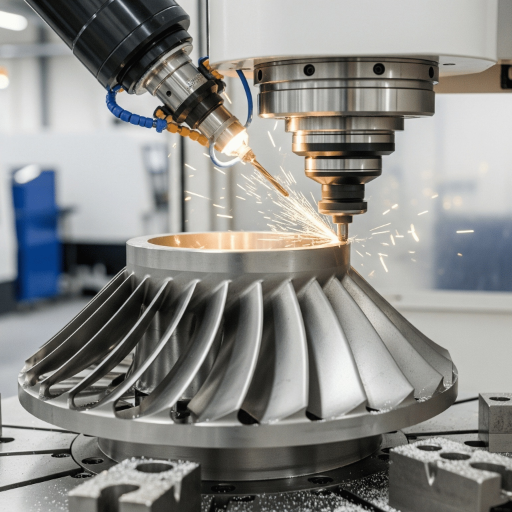
Cutting unwanted material with rotating knives to create detailed contours and features. Ideal for flat surfaces and complex shapes.
⚙️ Turning
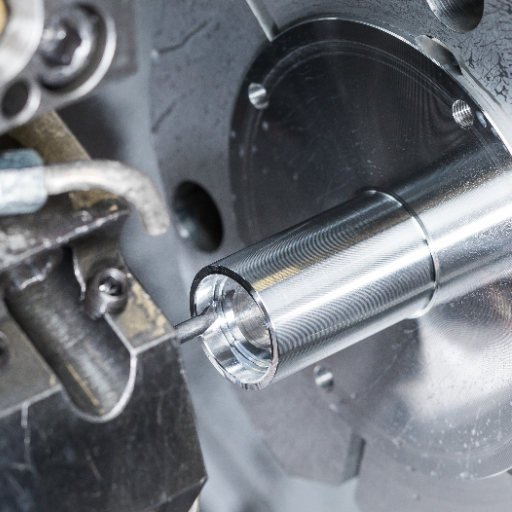
Rotating the workpiece while cutting to produce cylindrical or symmetrical parts such as gears, shafts, and rotational components.
🎯 Drilling
Creating high-precision holes essential for assembly processes or establishing paths for fastener placement.
Trends in Aftermarket Automotive Components
The growth of the aftermarket automotive components industry reflects modern consumer demand and technological advances. Search engine analysis reveals significant growth in electric-vehicle aftermarket component searches, indicating strong demand for compatible enhancements such as EV batteries, charging accessories, and performance upgrades for hybrid and electric cars.
🚗 Key Emerging Trends
Smart Technology Integration
Rising demand for advanced driver-assistance systems (ADAS), innovative car infotainment systems, and smartphone-connected diagnostics tools is reshaping the aftermarket landscape.
Sustainability Focus
Consumer environmental awareness has increased interest in eco-friendly materials and remanufactured auto parts, driving sustainable manufacturing practices.
Customization Culture
Car enthusiasts increasingly seek unique features such as custom wheels, exhaust systems, and interior upgrades—proving that personalization remains a powerful market driver.
Materials Used in Custom CNC Machining
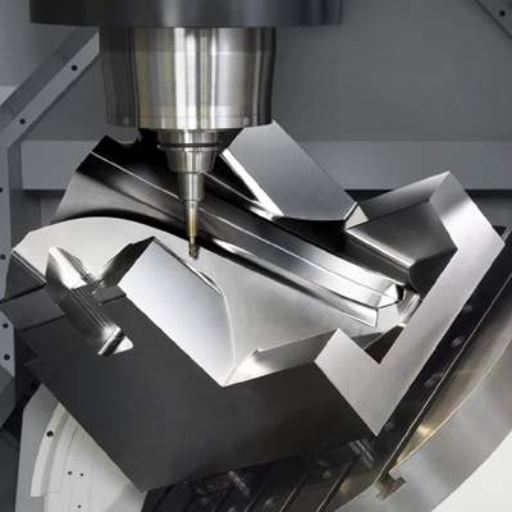
Custom CNC machining uses a wide range of materials to meet diverse application requirements. Common materials include metals like aluminum, steel, brass, and titanium—valued for their strength and durability. Plastics such as ABS, nylon, and polycarbonate are frequently used for lightweight, cost-effective parts. Additionally, composites and advanced materials like carbon fiber-reinforced polymers serve high-performance and specialized applications. Desired mechanical properties, weight considerations, thermal resistance, and specific application requirements influence material selection.
Common Alloys for Automotive Parts
Advantages of Aluminum in Custom Fabrication
Lightweight Construction
Among metals, aluminum is significantly lighter, reducing total vehicle weight and improving fuel efficiency across all driving conditions.
Corrosion Resistance
Aluminum naturally forms a protective oxide layer that prevents rusting and degradation, making it the ideal candidate for long-lasting automotive applications.
High Strength-to-Weight Ratio
Aluminum combines high resistance with low weight, enabling robust yet weight-efficient designs that maximize performance without sacrificing structural integrity.
Versatility in Fabrication
Aluminum readily undergoes machining, welding, and complex forming processes, making it the optimal choice for custom designs requiring intricate geometries.
Recyclability
Aluminum can be recycled repeatedly without property degradation, supporting environmentally responsible manufacturing and reducing ecological impact.
Considerations for Selecting Materials
Choosing the right material for custom CNC machining requires careful evaluation of multiple factors. By systematically evaluating these factors, manufacturers can select the optimal material to achieve effective, efficient machining.
✅ Material Selection Checklist
1
Determine the required strength, toughness, and wear resistance to ensure the material withstands operating stresses.
2
Choose materials that enable efficient CNC machining while achieving the desired accuracy and surface quality.
3
Evaluate thermal resistance, electrical conductivity, and corrosion resistance based on the operating environment.
4
Weigh material performance against budget, including both material cost and machining time considerations.
5
Ensure the selected material is readily available to prevent production delays caused by supply chain constraints.
Machining Processes for Custom Car Parts
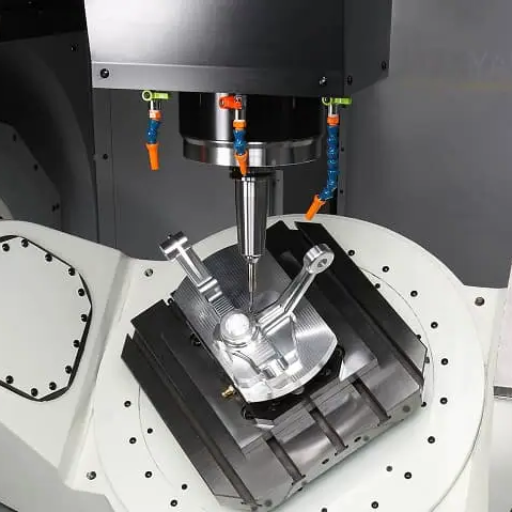
Custom car parts are manufactured through various machining processes tailored to specific requirements. CNC milling excels at creating detailed shapes and features, while turning is used for symmetrical and rotational parts such as shafts. Drilling creates precise holes for fasteners or assembly components. Additional operations, such as grinding and polishing, achieve smooth surface finishes or meet tight tolerances. The selection of the machining process depends on the complexity, material properties, and precision requirements of each car part.
EDM and Its Applications in Machining
Electrical Discharge Machining (EDM) is a non-conventional machining process that uses electrical discharges to shape and cut materials with high accuracy. This method is particularly suitable for hard metals and complex shapes that are difficult or impossible to fabricate using standard methods.
⚡ Key EDM Advantages
- ✓
Processes sophisticated molds and die casts requiring extremely close tolerances - ✓
Machines aviation industry parts demanding exceptional precision - ✓
Removes material without applying mechanical stress - ✓
Ideal for fragile or delicate materials across automotive, medical, and defense industries
Sheet Metal Fabrication Techniques
Sheet metal fabrication comprises numerous operations to process and craft metal slabs into required shapes through cutting, bending, and assembly. Among the most widely used methods are laser cutting for precise shapes, punching for holes or patterns, and press brake bending for achieving exact angles.
Welding is commonly applied to join sheet metal parts, while surface treatments such as powder coating provide protection and improve visual appearance. The breakthroughs in CNC machines and CAD software have transformed the accuracy and efficiency of these processes, benefiting industries such as construction, transportation, and electronics. The combined application of these methods enables manufacturers to maintain high quality even for intricate designs.
Benefits of Custom Machining for Automotive Parts
Improving Performance with Tailored Components
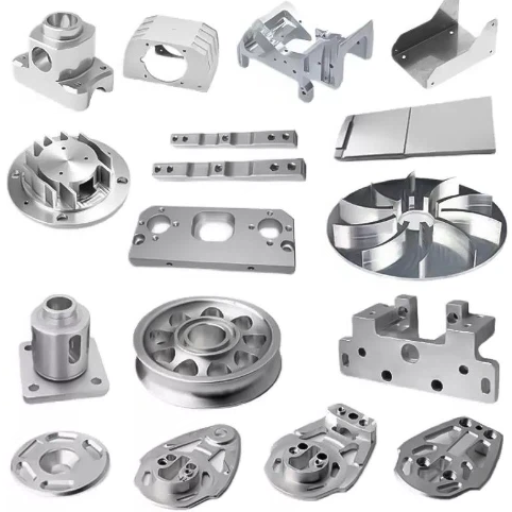
Custom-made parts play a crucial role in enhancing automotive system performance and efficiency. By using components designed for specific applications, manufacturers ensure optimal compatibility, performance, and longevity, resulting in superior vehicle reliability. Advanced CNC machining enables precise engineering that reduces material waste while strengthening part integrity.
Custom-made components improve performance by tailoring materials to a vehicle’s specific design and operational requirements. For instance, lighter custom parts reduce drag while maintaining power delivery, potentially improving engine cooling efficiency, fuel economy, and vehicle control. The growing popularity of searches for “lightweight automotive materials” and “custom CNC parts for performance” signals increasing interest in vehicle optimization for both speed and sustainability.
💡 Performance Optimization Insight
The component customization trend continues to grow as manufacturers address modern demands for both high performance and environmental sustainability. Custom parts that reduce weight while maintaining structural integrity deliver measurable improvements in acceleration, handling, and fuel efficiency.
Cost-Effectiveness of Custom Manufacturing Services
Custom manufacturing services deliver cost-effectiveness by delivering solutions tailored to client needs without excessive resource consumption. By manufacturing parts to exact project specifications, companies can eliminate overstock and reduce material waste.
The application of advanced technologies such as CNC machining and 3D printing reduces production times and labor costs while maintaining consistent quality. These savings make custom manufacturing an appealing choice for achieving accurate results while keeping costs within budget.
Enhancing Aesthetics and Functionality
Custom machining offers significant advantages for car parts, enabling the production of components that are both visually appealing and highly functional. Manufacturers can produce parts to exact specifications using CNC milling, enabling unique designs that enhance vehicle aesthetics. This approach produces smooth, seamless components that contribute to a modern and attractive appearance.
From a functional standpoint, custom machining ensures superior performance by producing parts that fit and perform reliably. Custom engine components, for example, can improve fuel economy, reduce emissions, and increase longevity. Modern technologies such as 5-axis machining and laser cutting enable manufacturers to achieve tighter tolerances and higher-quality finishes, resulting in better reliability and smoother vehicle operation.
Custom machining also opens new horizons for experimenting with innovative materials, such as lightweight alloys and carbon composites, that deliver high-performance properties. Custom machining is a vital tool for automakers to strike the right balance between design aesthetics and operational performance.
Technological Advancements in Automotive Machining
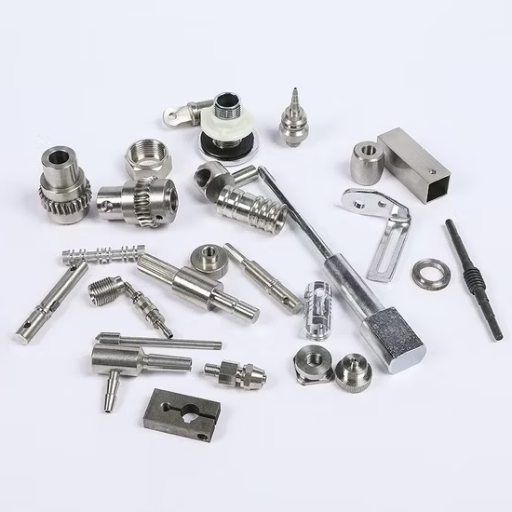
Modern automotive machining focuses on three main aspects: precision, efficiency, and sustainability. CNC machining has significantly impacted the industry by enabling highly accurate, uniform production processes. Additive manufacturing (3D printing) allows rapid prototyping and the production of intricate parts with minimal waste. Automation and robotics are improving overall output while maintaining high-quality control standards. Breakthroughs in materials science have enabled better use of lightweight yet strong materials, enhancing vehicle performance. When combined, these technologies drive innovation while meeting the industry’s evolving demands.
CNC Machining Evolution
Computer Numerical Control technology enables highly accurate, repeatable production processes that form the backbone of modern automotive manufacturing.
Additive Manufacturing
3D printing technologies enable rapid prototyping and the production of complex geometries with minimal material waste.
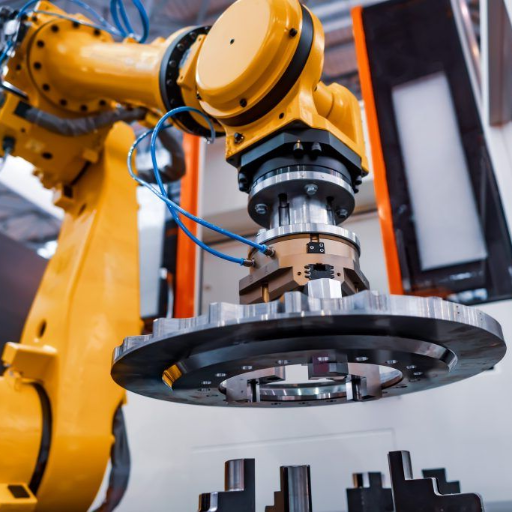
Automation & Robotics
Advanced automation improves production output while maintaining stringent quality control standards across all manufacturing stages.
Advanced Materials Science
Breakthroughs in material development deliver lightweight yet strong options that optimize vehicle performance and efficiency.
Emerging Trends in CNC Technology
Several trends are directing the future of CNC technology. A significant development is the blending of automation with artificial intelligence, enabling machines to operate with minimal human intervention while improving effectiveness and precision. IoT connectivity enables real-time machine monitoring and analysis, continuously optimizing performance. Advancements in multi-axis machining have significantly enhanced accuracy while allowing the production of increasingly complex designs. Additionally, machines are being designed to consume less energy and produce less waste. These changes are paving the way for CNC technology to become a more intelligent and flexible component of modern manufacturing processes.
Automation and Its Impact on Machining Services
The incorporation of automation has transformed machining services by delivering significant improvements in efficiency, precision, and scalability. Automated processes enable machines to operate continuously with minimal human assistance, reducing both time and production costs.
Real-time data collection and analysis, often powered by AI and machine learning, enables predictive maintenance and process optimization, improving output quality while reducing machine downtime. Automation has also enabled mass customization by allowing minor production-line adjustments without extensive retooling.
While technological progress presents challenges—particularly the need for workers to develop new skills for handling automated systems—automation is ultimately transforming machining services into a faster, more precise, and highly flexible industry.
Future of Electric Vehicle Components
Electric vehicle components are advancing toward greater technical sophistication, environmental friendliness, and operational efficiency. Advances in battery technology, particularly in energy density, charging speed, and lifetime, are making batteries more cost-effective while improving performance. Lightweight materials remain essential, as they improve efficiency and extend vehicle range.
Battery Technology
Higher energy density, faster charging, extended lifespan
Electric Motors
Smaller, more efficient designs with increased power output
Smart Electronics
Advanced power control and connectivity solutions
Lightweight Materials
Enhanced efficiency and extended driving range
Electric motors are becoming smaller and more efficient, producing more power while using less energy. The introduction of more innovative electronics—including new power-control methods and enhanced connectivity—is transforming EV functionality. When combined, these innovations will help make the electric vehicle sector more cost-effective, reliable, and environmentally friendly.
Reference Sources
-
New Trends in Aluminum Die Casting Alloys for Automotive Applications | ResearchGate
This study explores advances in aluminum die-casting alloys, focusing on their applications in automotive components, including chassis and structural parts. -
Research on Automotive Mechanical Manufacturing | Clausius Press (PDF)
A detailed paper providing theoretical and practical insights into efficient and sustainable automotive manufacturing processes, including custom machining. -
SAIITECH CNC Machining Operations Catalog (PDF)
This document covers CNC machining operations, with a focus on engine blocks and other automotive components. - Custom Aluminum CNC Machining Service from China
- Custom Aluminum CNC Machining Service
Frequently Asked Questions (FAQs)
Summary & Key Takeaways
Custom aluminum machining represents a transformative force in the aftermarket automotive and electric vehicle industries. By combining precision engineering with lightweight materials, manufacturers can deliver components that enhance performance, durability, and aesthetics while meeting increasingly stringent environmental standards.
As technology continues to advance—with developments in CNC capabilities, automation, AI integration, and material science—the possibilities for custom automotive parts will only expand. For car enthusiasts, industry professionals, and forward-thinking manufacturers alike, custom aluminum machining offers the precision, flexibility, and quality needed to meet the demands of modern vehicles and the expectations of discerning consumers.