


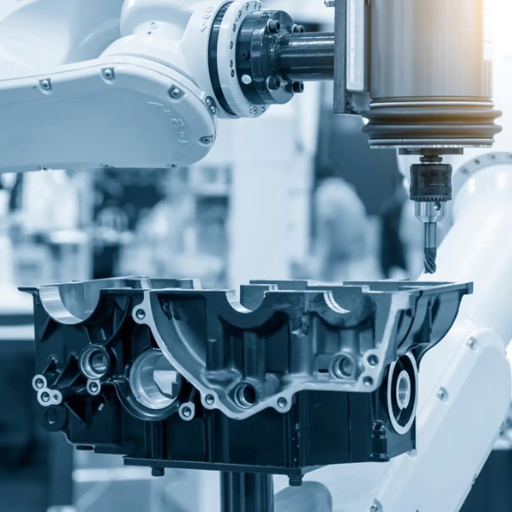


Modern manufacturing techniques have significantly benefited from the development of CNC machines. The 3-axis and 5-axis machining systems offer different capabilities for product manufacturing. At what point should a user consider switching from 3-axis to 5-axis machining?
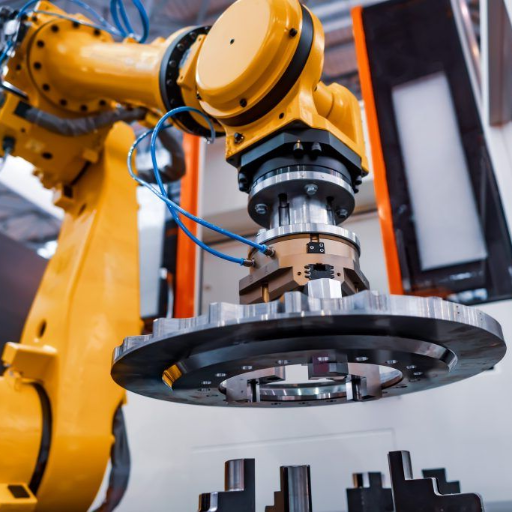
This comprehensive guide explores the two machining types, highlighting their uses, advantages, and disadvantages. Machining centers, especially those with 5 axes, are highly beneficial to manufacturers because they enable the production of parts of any complexity in a single setup.
Understanding the factors that affect the cost of 3-axis vs. 5-axis machining is essential for making better decisions. Continue reading to learn the factors that influence these considerations and how to reach an effective conclusion.
Understanding CNC Machining
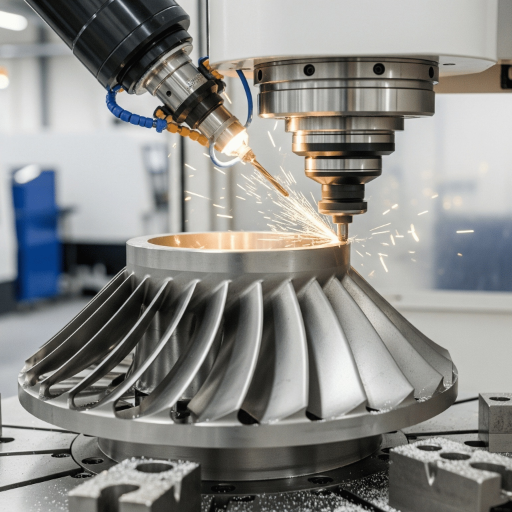
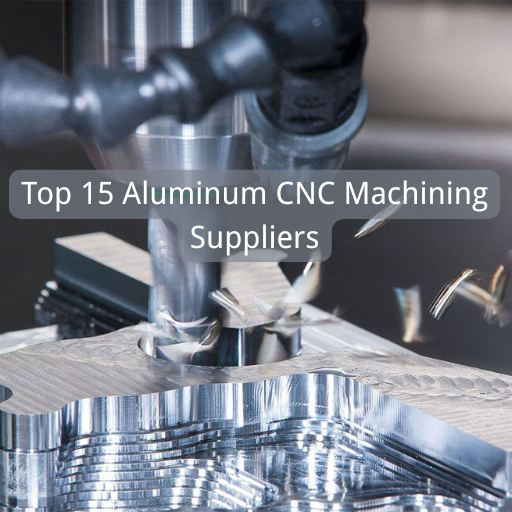
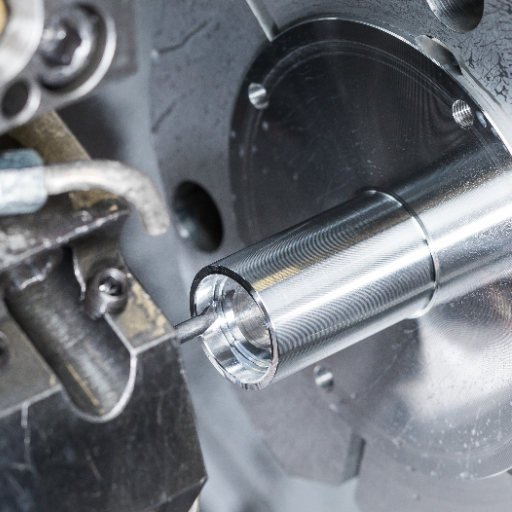
Computer Numerical Control (CNC) machining creates a factory environment in which specified software-driven command sets control the movement of tools and machinery. This process enables the precision cutting, forming, and shaping of parts made from materials such as metals, plastics, and wood.
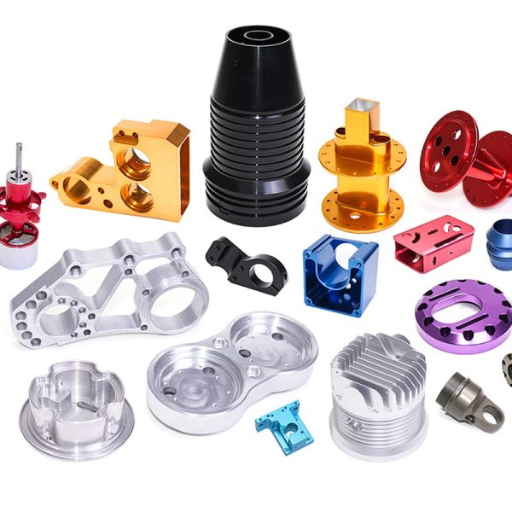
CNC machining is accurate and versatile, enabling the production of simple and complex components in any quantity. It is used widely in the aerospace, automotive, and medical industries, where precision and repeatability are paramount.
What is CNC Machining?
CNC (Computer Numerical Control) machines are capable of producing complex, precise steel and aluminum parts. Computerized designs are employed to guide the machines, with CAD software serving as the basis for digital design interpretation. This encompasses processes such as milling, lathing, and routing.
Key CNC Machining Capabilities:
- Works with various metals, engineering plastics, ceramics, and composites
- Provides quick and comprehensive manufacturing solutions
- Crucial for aerospace, automotive, and healthcare industries
- Emphasizes high degrees of accuracy and repeatability
- Integrates new trends in AI and IoT for advanced capabilities
Overview of 3-Axis CNC Machines
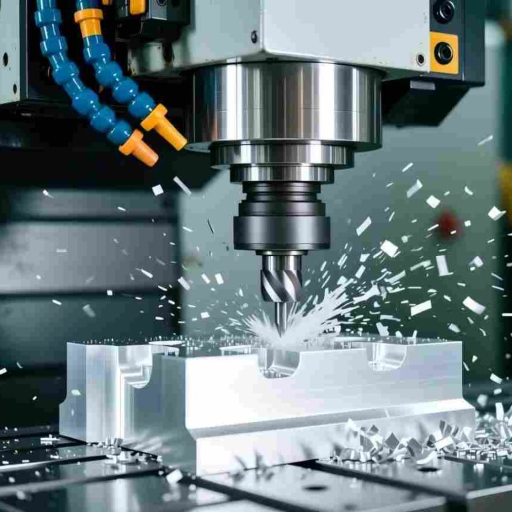
Among conventional automated machine tools, three-axis CNC machines are most frequently used in production processes. These machines move along three principal linear axes—the X, Y, and Z axes—enabling them to cut, engrave, or drill selected materials.
They are ideal for simple production, flat surfaces, and somewhat complex surfacing requirements. With a simple mechanical layout and operations, these machines offer versatility and cost-effectiveness, making them suitable for prototyping, woodworking, and general machining applications.
Overview of 5-Axis CNC Machines
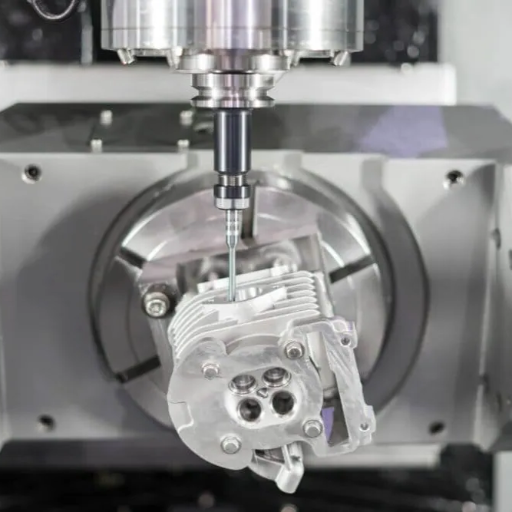
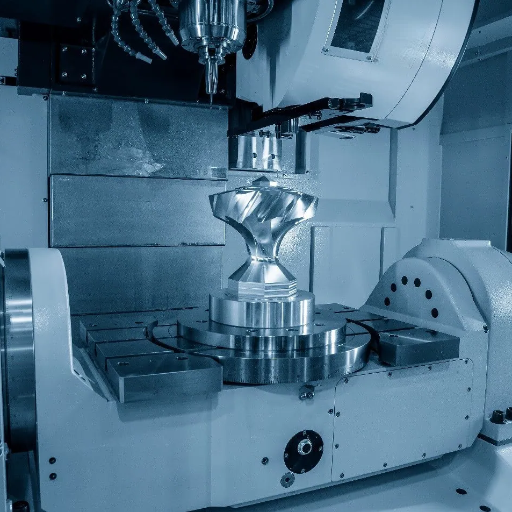
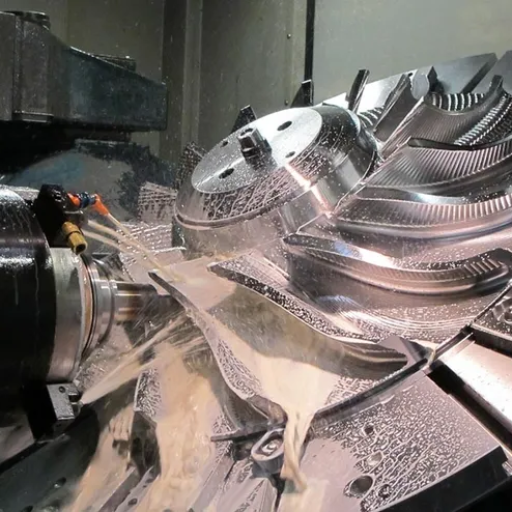
5-axis CNC machining represents an advancement in CNC (Computer Numerical Control) technology. These machines operate on five axes simultaneously—in addition to the conventional three linear axes (X, Y, and Z), the system includes two additional rotational axes: A, B, or C.
This greater degree of freedom is critical in this setup. It enables machining of highly complex geometries, which is essential for efficiency gains by eliminating setup-related errors.
Industries Relying on 5-Axis CNC Machining:
These machines have revolutionized manufacturing by boosting productivity and increasing material diversity across sectors. Reducing manufacturing time and establishing new lean paths are crucial priorities in a competitive market, underscoring the importance of 5-axis capability in modern manufacturing operations.
Advantages and Disadvantages of 3-Axis and 5-Axis CNC
Benefits of 3-Axis CNC Machines
Benefits of 5-Axis CNC Machines
Limitations of Each Machine Type
⚠️ 3-Axis Machine Limitations
- Inability to manufacture complex geometries or designs with undercuts and angular faces
- May lead to extended machining time through various setups
- Achieving precision on multi-surface parts might necessitate additional fitting and tuning
⚠️ 5-Axis Machine Limitations
- Costly to Own: Considerable initial investment makes them harder to acquire for small setups
- Complex Operation: Requires skilled personnel and advanced programming expertise
- Maintenance Concerns: Higher maintenance expenditure due to intricate design and engineering
Cost Comparison: 3-Axis vs. 5-Axis CNC
3-Axis CNC machines are generally more affordable, with lower maintenance and operating costs, while 5-Axis CNC machines require higher upfront investment, training, and upkeep but offer greater precision and efficiency.
| Parameter | 3-Axis CNC | 5-Axis CNC |
|---|---|---|
| 💰 Cost | Lower | Higher |
| 🎯 Precision | Moderate | High |
| 🔄 Flexibility | Limited | Superior |
| 📚 Training | Basic | Advanced |
| 🛠️ Maintenance | Lower | Higher |
| ⚡ Efficiency | Moderate | Superior |
| ✅ Suitability | Simple Tasks | Complex Tasks |
Initial Purchase Costs of 3-Axis and 5-Axis CNC Machines
Compared with their 3-axis counterparts, 5-axis CNC machines require significantly higher initial capital. This is because the more expensive 5-axis machines are essential for handling highly complex work that requires a single setup. During task planning, the choice must weigh the industry’s need for the high precision demanded by the business environment against the high startup costs of these machines.
Maintenance and Operational Expenses
💚 3-Axis Maintenance
The simpler design makes 3-axis machines easier to maintain with fewer mechanical parts to fix or replace due to wear and tear.
Benefits: Lubrication, component replacement, and software updates are much cheaper to perform, making these the preferred option for small businesses engaged in basic machining.
💗 5-Axis Maintenance
5-axis CNC machines require more rigorous maintenance due to their complexity and precision. They cost more in repairs, diagnostics, and part replacements.
Considerations: Higher operational costs include power consumption and specialized operator training. However, in industries where precision and short lead times matter, increased costs are compensated by higher productivity and better product quality.
Ultimately, the choice between a 3-axis and a 5-axis CNC machine depends on the business’s specific requirements, including trade-offs among upfront costs, operational performance, and long-term maintenance costs.
Long-Term ROI Considerations
When comparing long-term ROI between three-axis and five-axis CNC machines, production requirements and financial goals should always be considered. Understanding these considerations is essential for maximizing profitability and practicality.
The final choice should be made based on the machining job’s complexity, operational scale, and costs—a decision that maximizes profitability and practicality.
Factors Influencing CNC Machine Pricing
📏 Size and Construction
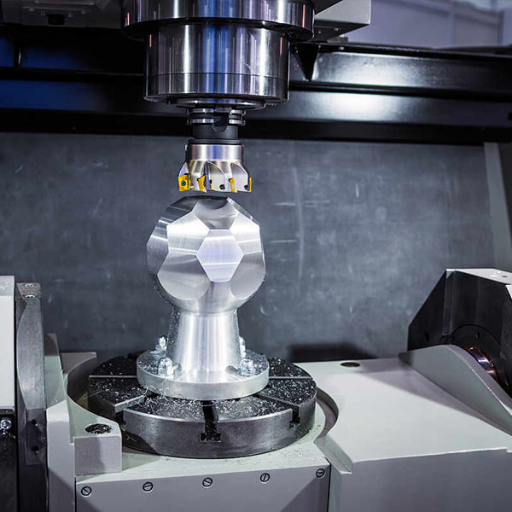
Bigger models and those with more advanced configurations (4 or 5 axes) cost more due to their higher-end capabilities and extensive dimensions.
🏗️ Material Construction
Machine material quality and choice have consequences: heavy-duty machines made of durable materials represent the higher end of the price range.
🖥️ Control System Features
CNC control systems cost more as their sophistication and user-friendliness increase. Advanced systems offer more programmable features and connectivity options.
🎯 Precision and Tolerance
Machines with tight tolerances or high precision cost more because they require highly innovative design and precision mechanisms.
🏆 Brand Reputation and Support
Leading brands with customer-centric models typically have higher prices. Quality machines from established companies come with good warranty and after-sales support.
Machine Size and Brand Impact
📐 Size Impact on Pricing
The machine size is a key factor in CNC milling service pricing. Larger ones naturally cost more because they require more materials, devices, power, and space to perform machine work efficiently. These super-sized machines are intended to bear larger projects or heavier workloads, making them justifiably expensive.
🏷️ Brand Reputation
Well-known brands generally command higher prices than unknown or lesser-known brands because they have built a reputation for quality, durability, and superior customer service. This translates to add-ons such as extended product warranties and post-sale service. With a reliable brand, you can expect better-performing and longer-lasting machines.
Features and Technological Complexity
CNC machine pricing depends heavily on their features and technological complexity. The more advanced CNC machines are, the more expensive they become. This includes machines outfitted with the latest technology such as multi-axis operation, automated tool changers, and integrated software features.
🚀 Advanced Technology Features
- IoT Connectivity: Real-time monitoring and data integration
- AI-Driven Automation: Intelligent process optimization
- Multi-Axis Operation: Enhanced precision for complex geometries
- Automated Tool Changers: Reduced downtime and increased efficiency
- Integrated Software Features: Streamlined programming and operation
Machines with high precision and faster processing times are intended for industries that demand extremely detailed products, such as aerospace and medical, and justify the price premium for the added value. Businesses must understand their operational needs and project specifications to determine whether the cost of advanced features aligns with their goals.
Industry-Specific Considerations
Choosing Between 3-Axis and 5-Axis CNC
🎯 Making the Right Decision
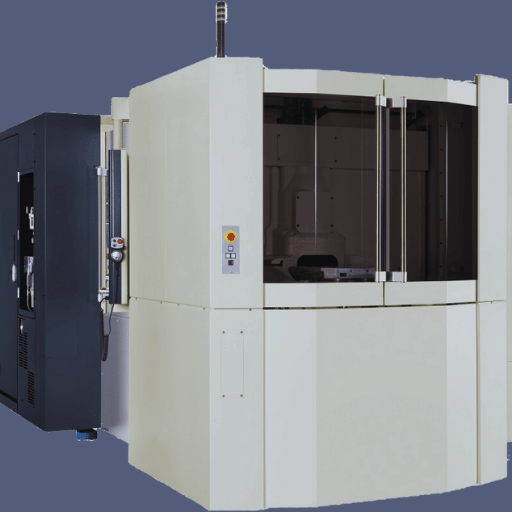
Choosing between 3-axis and 5-axis CNC machines largely depends on the part’s complexity and required accuracy. 3-axis machines are well suited to less geometrically complex parts that require general functions such as drilling and milling. 5-axis machines are known for their higher accuracy, enabling intricate part designs and easier access in hard-to-reach areas, thereby eliminating the need for multiple setups.
By the way, 5-axis machining generally requires larger investments than simple 3-axis machining. Still, its potential to minimize setup time and achieve higher geometric accuracy on complex parts more than pays off over the long term, especially in industries that require highly accurate, intricate details.
Evaluating Project Requirements
📋 When to Choose 3-Axis Machines
For less complex designs or simple flat surfaces with simple geometry, a 3-axis machine is often sufficient. It performs well, requires less initial capital, is easy to manage, and supports projects with lower complexity.
📋 When to Choose 5-Axis Machines
If your part requires intricate shapes, tight tolerances, and multiple angles in a single setup, choose a 5-axis machine. Fewer repositioning steps allow greater precision and reduce production time. It is well-suited for complex industries such as aerospace and medical device manufacturing.
Ultimately, the design requirements, precision needs, and budget will largely determine the right machine for your work.
Budget Constraints and Cost-Effectiveness
Cost, budget, and long-term considerations play an essential role in determining whether to choose a 3-axis or 5-axis CNC machine.
💵 3-Axis Machine Budget
Generally more affordable on an outset basis and operationally as well. It can be programmed with more straightforward instructions and requires hassle-free maintenance.
Best For: Jobs with lesser complexity or situations where budget is very tight. Allows small and medium-sized businesses to begin with CNC machining.
💎 5-Axis Machine Investment
Costs heavily at the time of investment, but the efficiency and versatility unmatchably compensate for the upfront cost. Worth the investment for intricate designs.
Long-Term Benefits: Minimizes manual intervention, reduces number of setups, enhances productivity, and decreases labor hours. Advances in CNC technology have made these more affordable through compact offerings.
The decision between 3-axis and 5-axis comes down to budget and business operations. For projects with relatively simple geometries and fair accuracy, the 3-axis machine is right. However, for industries such as aerospace, automotive, and medical manufacturing—where complex designs, tighter tolerances, and shorter cycle times are key drivers of efficiency—a 5-axis machine is the better long-term cost option.
Specific Needs of Your Manufacturing Business
When differentiating between 3-axis and 5-axis CNC machines, it is essential to consider the production context and design intricacies.
For Technology-Independent Projects: Generally a 3-axis machine is the way forward, economically speaking, when dealing with minimal complexities.
For complex requirements, a 5-axis machine is better suited to complex shapes, tighter tolerances, and multi-sided manufacturing. Most industries producing high-precision components, such as aerospace and medical, consider 5-axis technology to provide versatility and advanced capabilities.
Frequently Asked Questions (FAQs)
❓ How does a 5-axis machine differ from three axes?
A 5-axis machine has added two rotational axes to the three linear axes. This allows the cutting tool to tilt and rotate to access multiple faces of the workpiece without repositioning. With real 5-axis and 3+2 (also known as positional five-axis) machining, complex geometries and intricate parts can be machined simultaneously. Five-axis technology reduces the need for fixturing and setup in finishing processes associated with complex cutting, while expanding the use of 5-axis machining for parts that require multiple simultaneous setups on a traditional CNC.
❓ Are there cost differences when comparing cost per part on 3-axis vs 5-axis?
Costs per part primarily stem from machine hourly rate, cycle times, fixturing, and programming complexity. 3-axis machines usually have lower upfront capital cost and simple programming, meaning the per-part cost can remain lower. On the other hand, a 5-axis machining center can increase upfront investment and may require advanced 5-axis programming. Still, it can reduce cycle times, enable a single setup for complex parts, and lower fixture costs. In the end, this will minimize per-part cost for higher quantities or the most intricate parts.
❓ When does 3-axis machinery outperform 5-axis technology?
Using 3-axis is much more cost-effective when a workpiece is simple, of low geometric complexity, or is manufactured in small series that do not justify the additional cost of owning a 5-axis machine and programming cost. Three-axis setups stand out in their fast setup for conventional CNC work, simple fixtures, and less need in programming, particularly in sheet metal parts or straightforward machining work where the optimum 5-axis setup offers no advantage.
❓ How are the significant factors predefined for declaring the proper choice of machine configuration?
The right choice of CNC machine factors in part complexity, tolerance requirement, production volume, and cycle considerations. Proper assessment is based on whether the parts need simultaneous work on multiple faces, intricate contours, or undercuts that require 5-axis machining. Essential considerations include fixture requirements, 5-axis programming experience, and whether 3+2 machining path would bridge gaps in functionalities. For many shops, a mix of 3-axis and 5-axis machining centers is the solution that most closely mirrors their broad spectrum of machining needs.
❓ What are the main advantages of 5-axis over 3-axis machining?
Having a 5-axis has the advantage of machining complex geometry in fewer setups, having a better finish because of the optimal orientation of the cutting tool, and faster cycle time for complex parts. Five-axis machining eliminates significant secondary machining and can reduce fixture count, allowing the cutting tool to reach features that in 3-axis machining would require multiple re-fixtures. Although 3-axis machining is credited with simplicity and low cost, 5-axis technology is best suited to advanced machining of complex or intricate parts that require higher precision.
📚 Reference Sources
-
The Decision Process of Transitioning from a 3-Axis to a 4- or 5-Axis Mill – A detailed academic paper discussing the benefits and considerations of transitioning to multi-axis machining.
-
CNC Machining: The Complete Engineering Guide – A comprehensive guide on CNC machining, including 3-axis and 5-axis systems.
-
Multi-Axis Computer Numerical Control – An educational document explaining the differences between 3-axis and 5-axis machining, including their respective advantages.
- Custom Aluminum CNC Machining Service from China
- Custom Aluminum CNC Machining Service
Final Thoughts
Choosing between 3-axis and 5-axis CNC machining is a critical decision that depends on your specific manufacturing needs, budget constraints, and long-term goals. While 3-axis machines offer affordability and simplicity for straightforward projects, 5-axis machines provide unmatched precision, efficiency, and versatility for complex geometries.
By carefully evaluating your project requirements, budget considerations, and industry demands, you can make an informed decision that maximizes productivity, reduces costs, and positions your business for success in today’s competitive manufacturing landscape.