


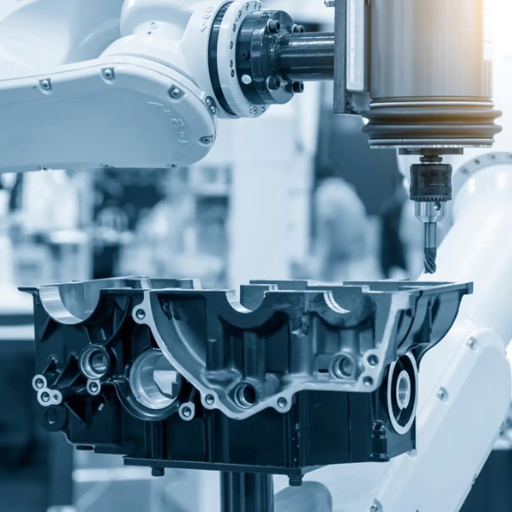


Achieving consistent shades and thresholds in anodized aluminum is natural and predictable. Regardless of which precision-oriented field one belongs to, whether aerospace, electronics, automobile, etc, anodizing is essential in enhancing the aesthetic and functional value of the metal used. Nonetheless, the quest for color uniformity within tight tolerance levels is often a daunting task, even for the most skilled. The purpose of this particular blog post is to expose such factors (e.g. control of process parameters, choice of materials and finishes), which are involved in colorful anodizing. Knowing these concepts will help you look perfect all the time. In the aluminium anodizing thickness tolerance, we will show you how to do it right.
Understanding the Anodizing Process
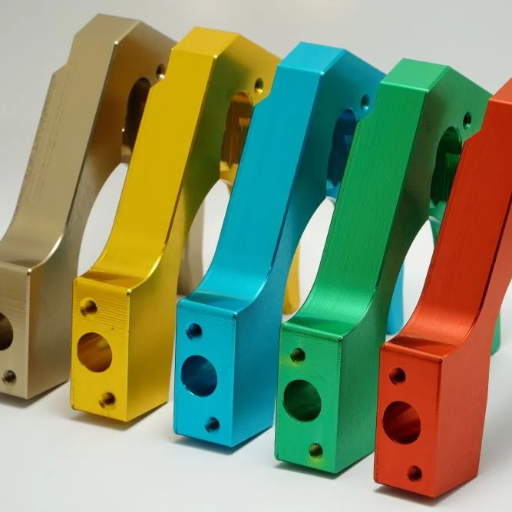
Aluminum anodizing is an electrolytic passivation process that thickens the metal’s native oxide film in a controlled manner. To obtain such an oxide layer, the oxidant metal is placed into a liquid solution containing an acid and then an electric current is passed through the metal. Unlike other paints or oxides, this anodized layer is part of the metal and can serve as a protective coating against wear and tear and as a base for decorative finishes. The hairline tolerance of 0.122 ± 0.002 is possible only when there is proper surface conditioning of the substrate as well as specific process controls due to aluminum anodizing thickness tolerance.
•What is Anodizing?
Aluminum anodizing is an electrochemical process used to create a protective, functional oxide layer on the surface of aluminum. This oxide layer protects the metal from corrosion, reduces metal fatigue, and acts as an effective barrier for cosmetic painting. First, the electrolyte is typically sulfuric acid, and the parent metal, typically aluminum, is the first item submerged in the electrolytic solution. Upon such exposure, the surface of the metal will undergo oxidation to form a thin, uniform, and porous oxide film which is tightly bonded to the surface of the metal or alloy. Recent developments in the process enable much tighter control of aluminum anodizing thickness tolerance, making it possible to anodize different products, including aircraft, automobiles, and even mobile phones. On another note, anodized metal is environmentally safe in that it is eco-friendly and safe for human health, can be reused, and is not easily degraded, making the product desirable for green production.
•Benefits of Anodizing Aluminum
- Enhanced Resistance to Corrosion – This occurs when aluminum is anodized, as it forms an oxide layer that provides corrosion resistance even in aggressive environments.
- Improvement in Appearance – This is because anodizing eliminates poor manufacturing and produces distinct colors on the surface of aluminum, creating a strong visual emphasis.
- Durability – The anodized aluminum finish is more scratch-resistant than other finishes, allowing the aluminum product to be used for an extended period.
- Green – There are no emissions from this process. Furthermore, it is a clean manufacturing process that does not use toxic or harmful chemicals. Instead, the materials can be reclaimed without degradation.
- Electrically Insulating – For some of the applications such as electrical and industrial applications, anodizing can be key because the layer is protective and does not conduct electricity.
•Applications of Anodized Aluminum
Architectural Components
Employed in the construction of window frames, curtain walls, and roofing panels, among others, because of its ruggedness and also ease of decoration.
Automotive Sector
Innovation of automobile components like trims, emblems, and dashboards for better corrosion resistance and elegant finishes.
Consumer Electronics
Widely used in mobile phones, laptops and other devices to create an attractive, stain-proof surface.
Cookware and Cookware Accessories
Used to coat pots, pans, and matrons for poker as well as in non-tick coatings and anti-abrasive coatings.
Signage and billboard
Used in making outdoor signs and billboards since it does not fade and is not affected by adverse weather.
The Importance of Thickness Tolerance
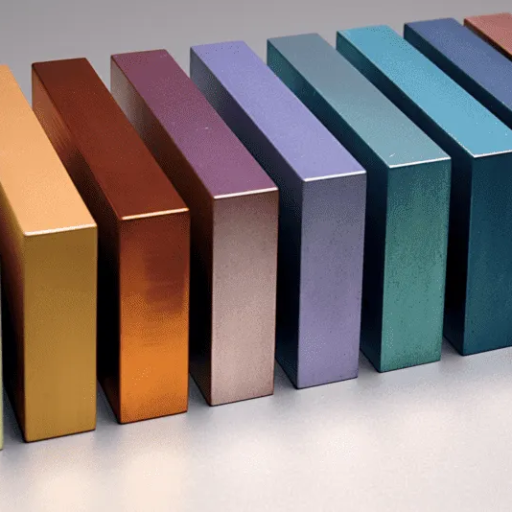
The thickness of a material is essential for reproducibility. Strict thickness control is necessary for any material, as it guarantees the required mechanical properties: heats fit into the case of assemblies, fit functions, and manufacturing reworks and faults are significantly reduced. More importantly, stringent thickness control eliminates unnecessary material use (i.e., waste) and improves product quality.
•Defining Anodizing Thickness Tolerance
Aluminum anodizing thickness tolerance is a measure of the extent to which the thickness of the anodic coating over a metal surface, preponderantly that made of aluminum, may fall short of that desired. This is measured to ensure the coating meets specific criteria for mechanical strength, corrosion protection, and finish. Under the rules set by international and national bodies such as ISO 7599 and MIL-A-8625, tolerance depends on the anodizing method. For example, it is common for hard anodizing to have tighter thickness tolerances, say ±5 to ±10 microns, compared to decorative anodizing.
Careful use of the concept and practice of anodizing, including the composition of the electrolyte, temperature, and the density of the current, is fundamental in controlling each of these processes accurately so as to standardize the performance of wells among others. Today’s state-of-the-art technologies, including automated monitoring and modern measurement equipment, help industries adhere to these tolerances more efficiently and improve the quality of products for distribution.
•Impact on Product Performance and Durability
Besides incurring performance-efficiency losses in determining the precursor of deterrence plus resistance loss, anodizing protects by forming a robust, shield-like layer on the surface, which is highly effective against corrosion or weathering, even in particularly unforgiving environments. What anodizing does is enhance paint and adhesive adhesion by preventing paint or adhesion from falling off much earlier, and second, it increases the lifespan for everyone. Even more interesting is that anodized surfaces are less prone to scratching, which means they will withstand more rubbing before coming apart, and they always look good and work reliably. These manufacturers achieve higher customer satisfaction and significantly longer service life in grueling testing environments than is otherwise available with these metalworking-processing benefits.
•Quality Control in Anodizing Thickness
Inspectional monitoring of aluminium anodising thickness tolerance is paramount to product quality assurance. This is usually achieved using eddy-current instrumentation or optical microscopy for accurate assessment. At set intervals, inspection is performed during the anodizing process to ensure consistency and detect changes. It is also important to avoid changes in variables such as electrolyte, temperature and voltage in order to achieve a consistent thickness and proper coating characteristics. Therefore, by applying such measures during manufacturing, it is possible to produce quality goods that are wear- and tear-resistant.
Industry Standards and Guidelines
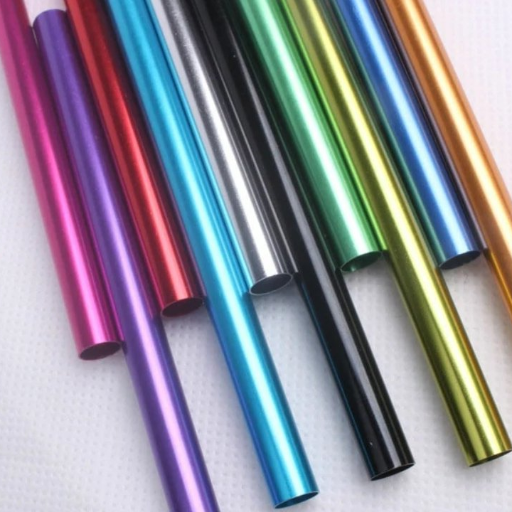
Industry guidelines serve as a roadmap for consistency, the quality assurance, and safety of anodizing processes by introducing appropriate processes. Most are generally sealed to NSA specifications (or ASTM B580 for anodic coating on aluminum), ISO, and MIL-A-8625, primarily for the military and general industry. A comprehensive range of standards has been developed based on common thicknesses, corrosion properties, sealing quality, and anodising appearance. The adherence to such recommendations is always beneficial in terms of the performance of the final part and the particular regulatory standards that the manufacturer customers aim to satisfy.
•Key Benchmarks for Anodizing Thickness
Application and environmental exposure of the product are key factors in determining the recommended anodizing thickness. Typically, a thickness of 10-15µm is best suited for general functions. However, in cases like marine environments or heavy-industrial settings harsh upon substrata, a configuration thickness in the vicinity of 20-25µm would be employed. For aesthetic purposes in an ornamental dress-up, layers with a 5-10µm finish are suitably preferred. These standards have been deliberately established to strike a balance among performance, appearance, and, where possible, durability.
•Certification Requirements for Anodized Parts
Certification requirements are in place to meet industry standards for anodized parts, ensuring their quality and longevity. Some include an international standard such as ISO 7599 on aluminum anodic oxidation coatings, the MIL-A-8625 specification for use by military organizations, and anodized processing for credit. Certified items will conform to various criteria stipulated, coating thickness, resistance to corrosion, even color, state of completeness, and so on. Tests such as salt spray or testing thicknesses may support compliance. Accordingly, the manufacturer must conclusively document these tests and certifications as evidence of compliance with the prescribed norms.
•Regulatory Compliance in Anodizing
Regulatory compliance in anodizing entails adherence to established industry standards and guidelines to ensure product quality and safety. Key standards include MIL-A-8625 for military-grade anodized coatings and ISO 7599, which sets criteria for decorative and protective anodizing on aluminum. Additional specifications include coating thickness, chemical resistance, and sealing capability. Therefore, routine inspections will be necessary to verify the validation of these requirements, including salt spray, etc. Thus, the manufactories shall require mandatory documentation and certifications from all involved parties, in order to showcase their compliance and further their transparency across the board.
Factors Influencing Anodizing Thickness Tolerance
- →
Alloy Composition: Different aluminum alloy compositions affect the thickness achievable through anodizing, as they produce different anodizing responses. - →
Anodizing Processes: Temperature, voltage, and electrolyte composition are the variables that affect the growth of the oxide layer and, consequently, its thickness. - →
Surface Preparation: Through cleaning, etching, and mechanical finishing of the aluminum surface in a universal manner, the final article is prepared for anodizing and can be helpful in controlling the thickness within the tolerance limit. - →
Duration of Treatment: The rate of oxide coating growth depends on the anodizing time; hence, the longer the treatment, the thicker the formed coat. - →
Type of Anodizing Process: Depending on the intended application, anodizing processes such as Type I (hard anodizing) can produce the thickest and thinnest coatings, generally classified into three classes.
•Material Types and Their Effects
Anodizing thickness tolerance is highly dependent on the aluminum alloy used, due to variations in alloy composition and surface properties. Anodizing pure aluminum is usually very consistent, yielding a good anodic coating with a finely controlled thickness, as this aluminum lacks impurities that might disrupt the process. However, when copper, silicon, and zinc are present as constituents, the resulting stainless aluminum oxide layer will exhibit lower thermal conductivity and greater chemical reactivity, leading to greater thickness variability. Therefore, high-silicon content in an alloy could contribute to lower-contrast appearance and uneven coating, thus affecting tolerance conformity.
The proper choice of aluminum alloy for the desired application will therefore allow manufacturers to gain better control over these results and the associated tolerance limits.
•Environmental Conditions Impacting Anodizing
Environmental variables significantly influence the anodizing result. The temperature and humidity in the anodizing facility are two variables. Air can also take the factors into view. A sudden temperature change can cause an intolerable shift in the electrolyte solution. The electrolyte solution controls the formation of the oxide layer on the surface. High humidity, on the other hand, can lead to moisture contamination within the system, thereby adversely affecting both adhesion and overall finish quality of the anodized layer.
Based on recent data, consistent monitoring and control of these environmental parameters are necessary. Companies are also witnessing the migration of advanced monitoring systems into systems that automatically adjust temperature and simultaneously manage humidity levels in real time, driven by the ever-increasing number of manufacturers. These technologies help mitigate potential external factors attributable to imperfections in anodized products, thereby making them compliant with stricter industrial standards.
•Techniques for Controlling Thickness Variables
- Design Single: The application of high purity aluminum and congruent alloys for deposition can effectively reduce the inconsistencies experienced in many cases leading to alterations in the coating itself.
- Electrolyte Maintenance: The electrolyte’s concentration and temperature must be monitored periodically to maintain a stable phase throughout production.
- Voltage Regulation: A high-performance, programmable power supply delivers a uniform current density during anodizing, maintaining a uniform layer depth.
- Time Control: There shall always be an effort to achieve accurate timing of the chosen procedure for optimal, uniform growth of the anodic layer.
- Real-Time Monitoring: Install advanced monitoring systems to detect deviations early and enable real-time corrections.
Ultimately, the combination of these methodologies may work very well for modeling responses to thickness dispersion and for good coupling with defined restrictions.
Common Applications Requiring Precise Anodizing Thickness
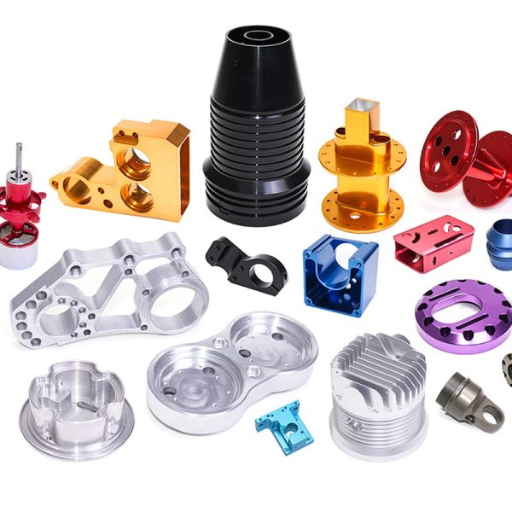
Aerospace Applications
The aircraft parts typically require a strategic anodization process to perform optimally, last longer and resist corrosion in extreme environmental settings.
Medical Instruments
Surgical instruments are anodized for higher surface hardness and biocompatibility.
Consumer Electronics
Precise anodization processes give smartphones and laptops their best finish for their great look and hard, non-tarnishing finish.
Automotive Parts
High-performance vehicle components, such as engine parts and trims, are anodized to withstand the harsh operating environments.
Architecture
Anodizing is used for uniform appearance on aluminum panels and frames and resistance to weathering for some time.
•Aerospace Industry Requirements
The aerospatial area undoubtedly calls for materials and components that meet stringent standards for efficacy, resilience, and compliance with safety parameters. Aluminum is widely used in anodizing due to its low weight, corrosion and wear resistance. Items, however, also need to be fabricated to withstand extremes from one end to another, such as high temperatures, pressure drops and harsh chemicals with an exit. However, these coverings, regardless of their evenness, should be used with highly tolerant materials to ensure that aerospace requirements are met while maintaining utmost reliability. Adherence to the highest industry standards, such as AS9100 and MIL-A-8625, is imperative to ensure quality and to support the application of all anodized products that will eventually see service in aircraft, spacecraft, or both.
•Automotive Applications and Standards
Anodizing thickness precision is a critical quality requirement for components used in high-performance and safety-critical systems in the automotive industry. Ranging from engine parts to sections involving anodized components, perimeter protection against wear, corrosion, and heat is prescribed to ensure the extreme durability of properties under harsh conditions. For instance, anodized coatings may be necessary for strength, even under intense heat and friction, as in brake calipers. In the modern era, as electric vehicle production and trends gain importance, a new specification in lightweight aluminum emerges, which again provides the advantages of deeper anodized conductivity and protection.
For automobile anodizing operations to align with industry requirements, they must adhere to relevant global standards, such as ISO 9001 and IATF 16949. These global industry standards provide the safety and performance systems for all their anodized components. Also, new possibilities in precision machining control of coating thickness are emerging, thereby ensuring that the components perform well under severe conditions.
•Electronics and Their Specific Needs
In electronic production, the thickness of a thick anodizing finish must be precisely controlled. Anode oxide coatings confer essential properties, including electrical, thermal, hardness, wear, and corrosion resistance, in electronics. Such properties are significant for items such as circuit boards, connectors, and housings, where thickness variations can impair functionality. Anodizing helps maintain the coating’s high-tolerance parameters, ensuring greater reliability for devices exposed to some of the most stringent conditions due to their high-volume demands. This precision contributes directly to enhancing the service life and efficiency of electronic products in such applications in consumer goods, telecommunication, and medical devices.
Reference Sources
-
Fundamental Study on Anodizing of Aluminum and Its Alloys
- A detailed study on the anodizing process, focusing on enhancing corrosion resistance and mechanical properties of aluminum surfaces.
-
Anodizing – A Key for Surface Treatment of Aluminium
- This article explores the flexibility and potential of anodizing as a surface treatment for aluminum-based materials.
-
A Comprehensive Study of Aluminum Anodization in Large-Area Applications
- Research focused on hard anodization (HA), ultrahard anodization (UHA), and their transitional modes for large-scale applications.
- Custom Aluminum CNC Machining Service from China
- Custom Aluminum CNC Machining Service
Frequently Asked Questions (FAQs)
What is coating for, and how does anodising produce anodised coating on an aluminum part?
Anodising is an electrochemical process that converts the surface of a non-ferrous aluminum part into an anodised coating. Anodized films are created in an acid bath, where the surface finish is achieved by sulfuric or chromic anodising; in this process, the aluminum part is, in a normal sense, the anode and forms oxide films integral to the substrate. This sort of anodised film has excellent resistance against corrosion and abrasion as well as an electrical dielectric surface that can easily take on dyes for other finish processes.
How are coating thickness or anodising thickness related to corrosion resistance or fatigue strength?
Coating thickness has a direct influence on corrosion resistance, and it can impact fatigue strength as well: thin coatings (say, 5 µm or 10 µm) might provide good decorative corrosion resistance and dye uptake; whereas thick coatings (40 µm, 60 µm, or Type III anodize, typically around 60 µm) present superior resistance against abrasion and offer long-term protection that is important in military and aerospace applications. In some situations, however, very thick anodised coatings can even decrease fatigue strength, depending on the size of the part, surface roughness, and the way the increase of thickness affects stress concentration. Thus, designers balance anodising thickness with dimensions and tolerances to retain mechanical performance.
Which types of anodizing would lend themselves to thin film applications as opposed to thicker ones from sulfuric anodizing, chromic anodizing and hard anodizing?
For the most commonly used are sulfuric anodizing, that for general-purpose thin coatings (often specified in mil or μm), chromic anodizing, which is used for thin protective films, where dimensional control is significant, and hard anodizing (Type III anodize), which produces thicker, harder films up to the tens of μm range (40-60 μ m), accounting for enhanced abrasion resistance. Anodizers select acid solution and current density in acid baths to meet both film thickness and functional requirements.
How can the thickness calibration of the anodizing layer be performed, and the non-destructive control for film thickness be achieved?
The tolerance for anodizing thickness is specified in μm or mil. It is linked to the limits and tolerances of the aluminum part dimensions, as specified, to avoid functional interference. Film thickness can be measured using eddy-current or electromagnetic gauges, which read the oxide layer without damaging the part. This control is achieved through anodizing to form thin coatings and through thick Type III films.
How do finishing processes, roughness and the size of the part affect the permissible anodizing thickness and dimensional changes?
The last processes and surface roughness affect how anodising is used on substrate: Different dye uniformity and wear characteristics are shown on extrusion profiles, castings, or machined aluminium parts which have different degree of roughness. Resulting coating adds thickness to all exterior surfaces where designers must consider these increases in dimensions and tolerance; in the case of thin coatings (5mm–10μm), the effect could be minimal but for 40μm–60μm-thick films, the change could be too pronounced for assembly of parts and threads, requiring allowances in imperial units or metric μm to adjust for it.
Ready to Achieve Perfect Anodizing Results?
Master the precision and consistency needed for high-quality anodized aluminum in your industry.