




Understanding Aluminum Enclosures
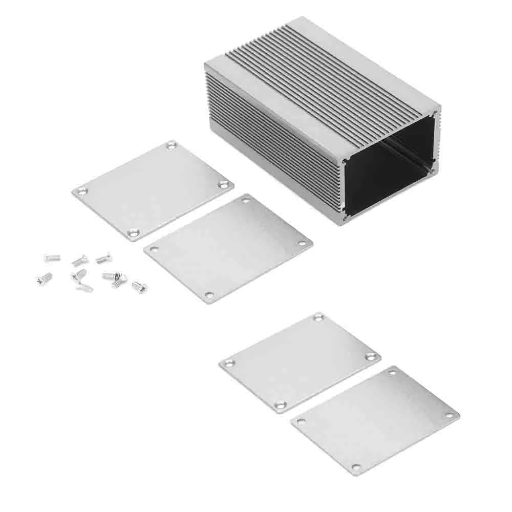
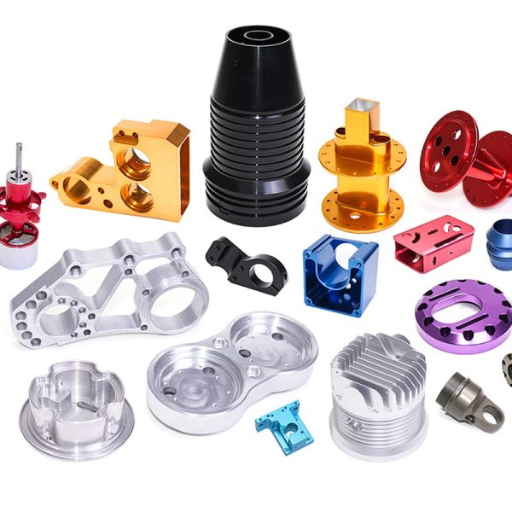
Aluminum enclosures are protective housings made of aluminum, a non-ferrous metal that combines low weight with durability and excellent thermal conductivity. These enclosures protect electronic devices and components from external factors such as dust, water, and electromagnetic interference. Their natural corrosion resistance and rapid heat absorption make them ideal for telecommunications, automotive, and consumer electronics applications. Additionally, aluminum’s precise shaping capability allows for custom enclosure designs that meet exacting specifications.
⚡ Why Aluminum Enclosures Excel
Lightweight
Easy handling for mobile and permanent installations
Durable
High strength-to-weight ratio for long-term protection
Thermal Efficient
Excellent heat dissipation properties
EMI Shielding
Blocks electromagnetic interference effectively
Benefits of Using Aluminum for Enclosures
🪶 Lightweight and Durable
Aluminum’s exceptional combination of strength and lightness makes it easy to manage, suitable for both mobile applications and permanent installations where weight matters.
🔒 Corrosion Resistance
Aluminum’s natural corrosion and rust resistance guarantee protection against various weather conditions, ensuring longevity even in harsh environments.
🌡️ Thermal Conductivity
Excellent thermal conductivity makes aluminum ideal for electronic enclosures requiring efficient heat dissipation from internal components.
⚙️ Customizable Design Options
Aluminum processing through machining, welding, and anodizing enables diverse designs tailored to specific functional and aesthetic requirements.
♻️ Recyclability
Aluminum can be fully recycled without quality loss, making it an eco-friendly choice for sustainable manufacturing.
Applications Across Industries
The Aluminum Machining Process
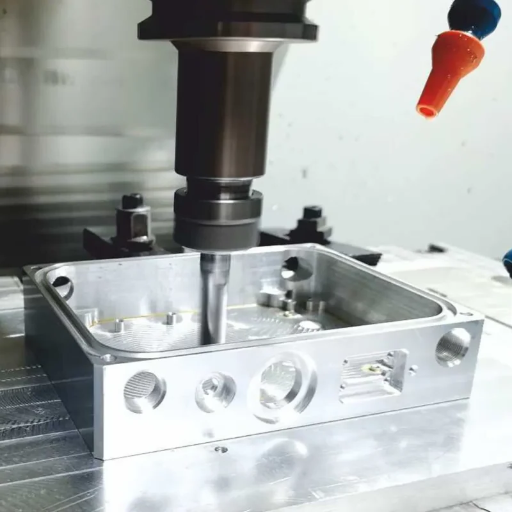
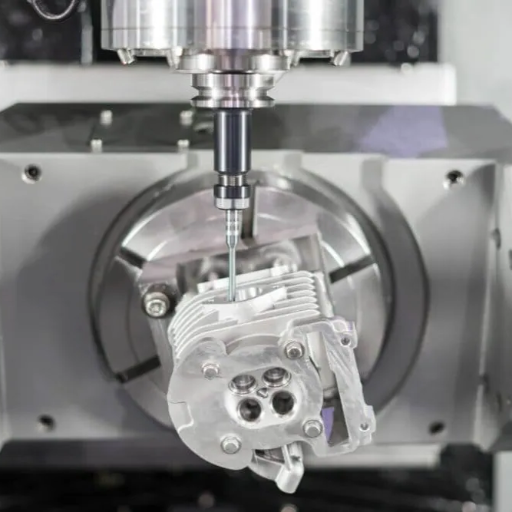
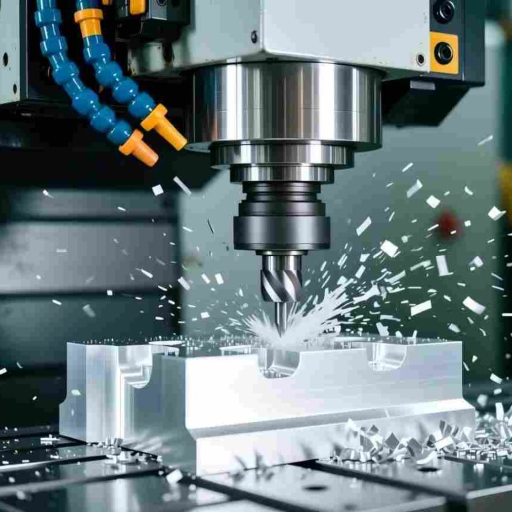
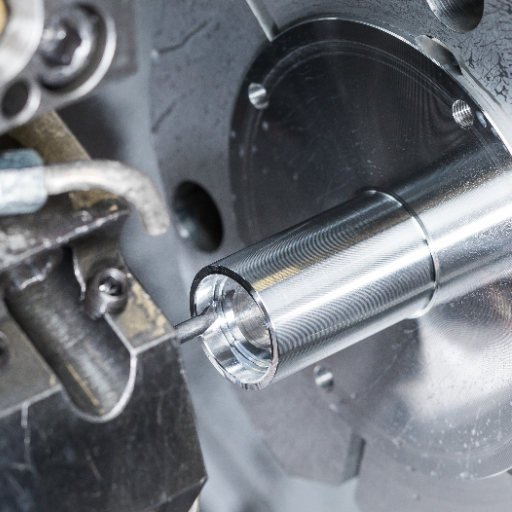
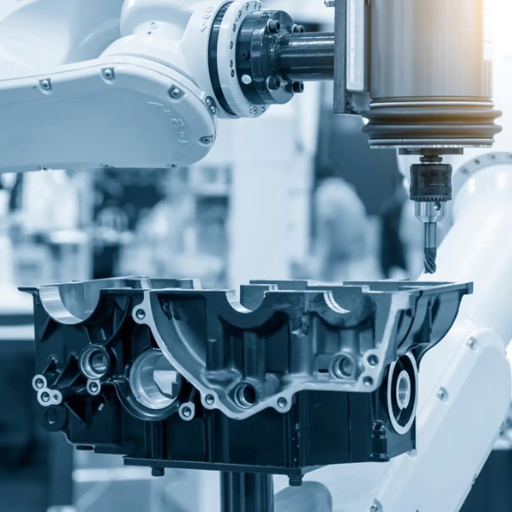
The aluminum machining process comprises several key steps that transform raw aluminum into desired parts or products. The process begins with cutting, in which large aluminum pieces are trimmed to their final sizes. This is followed by milling, turning, or drilling to achieve exact shapes and dimensions. CNC (Computer Numerical Control) machines typically ensure precision and efficiency throughout these operations. Finally, post-machining techniques such as deburring, polishing, and surface treatment enhance both aesthetics and functionality.
Machining Process Overview
CNC Milling for Aluminum Enclosures
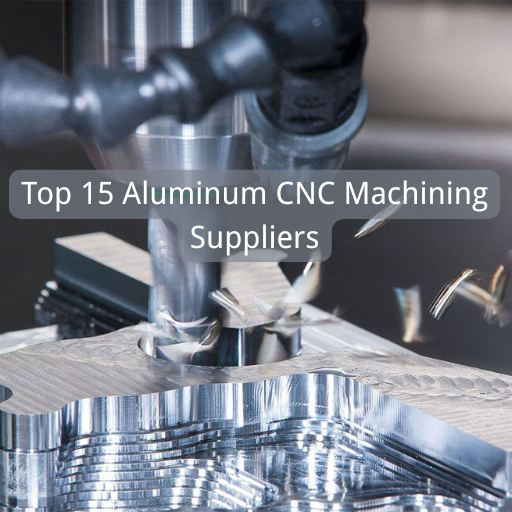
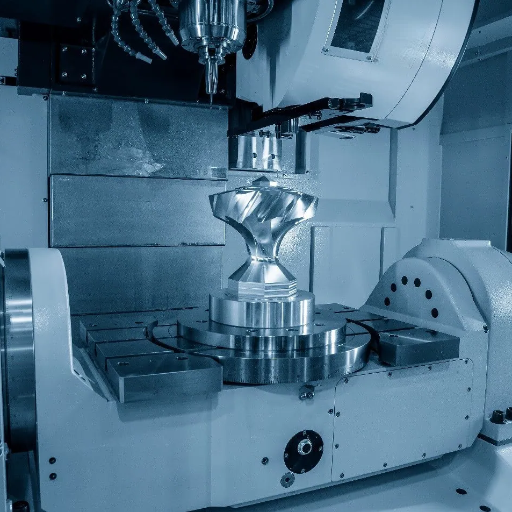
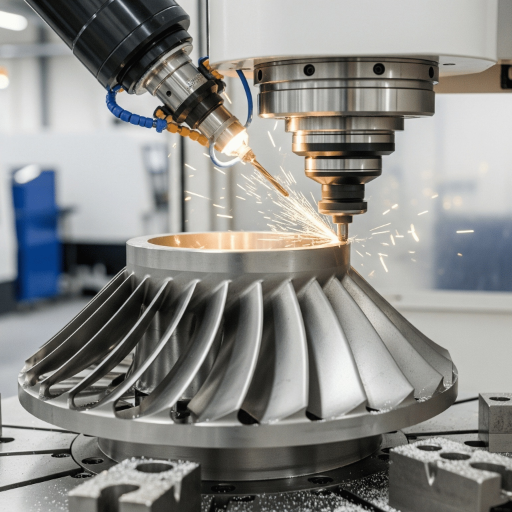
CNC milling is a highly efficient and precise process used in aluminum enclosure production. Leveraging modern CNC equipment, manufacturers produce complex structures while maintaining the tight tolerances required by the electronics, automotive, and aerospace sectors. CNC milling optimizes aluminum’s key properties—good machinability, high corrosion resistance, and low density. The latest CNC technology ensures consistent quality, faster delivery, and customized designs that meet specifications.
🎯 Precision Achievement
CNC milling typically achieves tolerances as tight as ±0.001 inches or better, depending on machine and process settings. Advanced computer control, new cutting tools, and real-time monitoring systems contribute to error reduction and repeatability across production runs.
Sheet Metal Fabrication Techniques
Sheet metal fabrication involves various techniques for transforming metal sheets into desired structures or parts. The most popular methods include cutting, bending, and welding. Cutting is often performed with shears or advanced laser cutters to ensure precision and efficiency. Bending is typically performed with press brakes, which apply force to form angles or curves. Welding connects individual metal parts, providing structural strength. More sophisticated methods, such as stamping and deep drawing, enable the formation of intricate shapes and patterns.
These processes, combined with computer-aided design (CAD) and computer-aided manufacturing (CAM) technologies, enable manufacturers to achieve high precision and quality. Modern data analytics allows fine-tuning of production cycles and minimization of raw material consumption, contributing to both environmental and financial objectives.
Finishing Options for Machined Aluminum
Anodizing
Electrochemical treatment creating a corrosion-resistant layer with customizable color options.
Powder Coating
Strong protective paint application available in many colors and textures.
Bead Blasting
Fine particles create a satin, non-reflective surface appearance.
Polishing
Creates a high-gloss, reflective finish for aesthetic applications.
Chemical Conversion
Alodine coating provides rust resistance while maintaining electrical conductivity.
EMI Shielding and Thermal Management
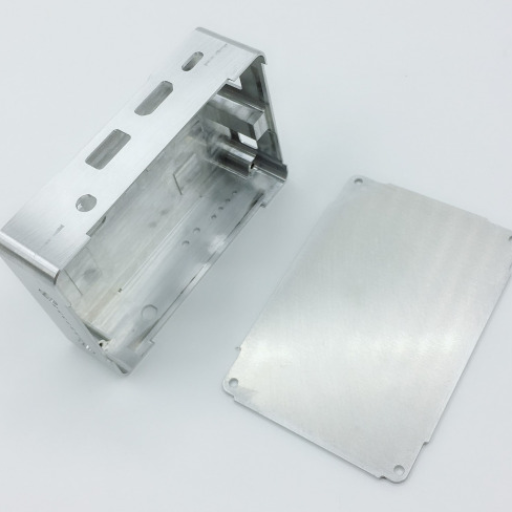
The performance and reliability of electronic devices depend largely on proper EMI shielding and thermal management—two of the most critical factors in enclosure design. Aluminum housings are the most common choice due to their excellent electrical conductivity and low weight. EMI shielding is achieved by applying conductive materials to prevent interference from reaching electronic circuits. For thermal management, aluminum’s high thermal conductivity enables efficient heat dissipation from internal components. Integrating these characteristics into aluminum enclosures extends device lifetime and ensures regulatory compliance.
Importance of EMI Shielding in Electronic Enclosures
EMI shielding in electronic enclosures proves essential for proper functioning of modern devices. With increasing electronic component density and the widespread use of wireless communication technologies, electronic interference has become more likely. Effective EMI shielding dissipates external interference from other devices or environmental factors while containing the unit’s own emissions.
⚠️ Critical Industries Requiring EMI Shielding
EMI shielding is particularly critical in industries where system failures could negatively impact:
- Aerospace: Safety and navigation systems integrity
- Healthcare: Medical device accuracy and patient safety
- Telecommunications: Data integrity and communication quality
✓ Regulatory Compliance: Meeting EMI shielding standards ensures regulatory approvals such as FCC and CE certifications, enabling market access and building consumer trust.
Heat Management Strategies for Aluminum Enclosures
Effective heat management in aluminum enclosures helps maintain device performance and extend operational lifetime. The appropriate strategy depends on the device’s thermal load and surrounding conditions.
Design Considerations for Optimal Performance
✓ Performance Optimization Checklist
🌡️ Thermal Management
Ensure proper heat dissipation using cooling solutions such as heat sinks or fans to maintain optimal temperatures.
⚡ Power Efficiency
Select high-efficiency components and power supplies to reduce waste and enhance overall device performance.
🔧 Material Selection
Choose durable materials that withstand expected operating conditions including temperature, humidity, and wear.
📐 Compact Design
Maximize space while maintaining functionality to reduce bulk and improve usability.
📈 Scalability
Design systems for future upgrades or expansion to extend usefulness and adapt to evolving needs.
Custom Aluminum Enclosure Solutions
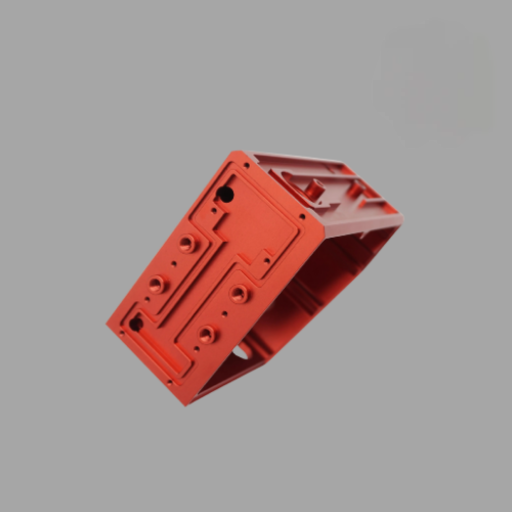
Custom aluminum enclosure solutions deliver designs tailored to specific operational requirements while offering durability, compactness, and scalability. These enclosures leverage aluminum’s lightweight and corrosion-resistant properties to provide reliable protection adaptable to diverse applications.
Tailoring Designs for Specific Applications
Customizing aluminum enclosure designs for particular applications requires comprehensive understanding of specific needs. Critical factors include the dimensions and contours required for component fit, the level of protection needed against environmental factors (dust, moisture, heat), and the ease of access for maintenance or upgrades. Addressing these issues while adding features such as individual mounting options or airflow optimization helps ensure enclosures meet operational, security, and durability requirements throughout their service life.
Choosing the Right Fabrication Partner
🤝 Fabrication Partner Selection Criteria
Investigate background with your specific materials and designs
Evaluate processes, QA practices, and precision equipment
Assess case studies demonstrating similar project success
Verify responsiveness and ability to meet deadlines
Cost Considerations in Custom Aluminum Machining
Evaluating costs for custom aluminum machining requires examining multiple factors to ensure wise investment. Material costs account for a significant share, with prices fluctuating with alloy specifications and market demand. Machining complexity also affects pricing—parts with intricate designs or strict tolerances demand more resources. Labor costs and manufacturer overhead contribute to total charges. Volume significantly impacts pricing, with large production runs typically offering lower per-unit costs through economies of scale.
💰 Cost-Saving Recommendations
- Request detailed quotes from multiple suppliers for comparison
- Consider the long-term durability and accuracy of delivered components
- Factor in potential costs of revisions or replacements
- Evaluate volume discounts for larger production runs
Achieving Precision and Durability
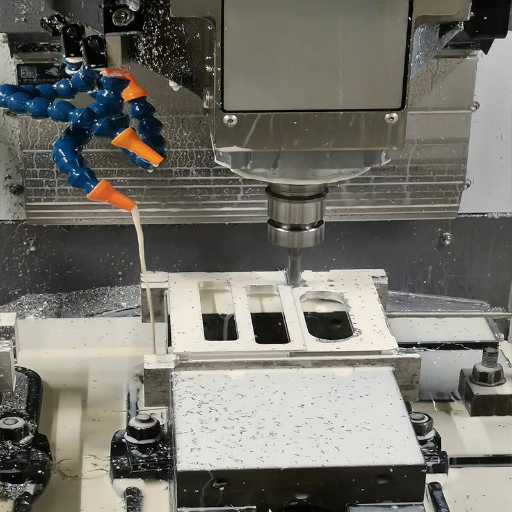
Achieving desired accuracy and longevity requires selecting optimal materials, applying state-of-the-art manufacturing methods, and enforcing quality control at every production step. Collaborating with reputable suppliers and investing in regular maintenance of production equipment significantly increases component dependability and lifespan.
Best Practices for High-Quality Machined Aluminum
Choose the Right Alloy
Select aluminum alloys like 6061 or 7075 for good machinability, strength, and corrosion resistance. Consider application requirements and environmental conditions when making your selection.
Optimize CNC Machining Parameters
Utilize accurate cutting speeds, suitable tools, and properly calibrated machines. Modify feed rates and cutting tool geometries based on aluminum alloy characteristics to reduce tool wear and improve surface finish.
Maintain Rigorous Quality Control
Implement extensive inspection protocols, including dimensional checks and surface finish assessments, to verify correctness and uniformity. Quality control at every stage reduces waste and guarantees customer satisfaction.
Apply Proper Coolants and Lubricants
Use cutting fluids designed explicitly for aluminum machining. Proper cooling prevents overheating, extends tool life, and improves overall machining process quality.
Minimize Tool Vibration
Stability is crucial when machining aluminum. Use sharp tools and ensure machines are well-secured to minimize chatter that adversely affects surface finish and accuracy.
Tools and Technology for Precision Machining
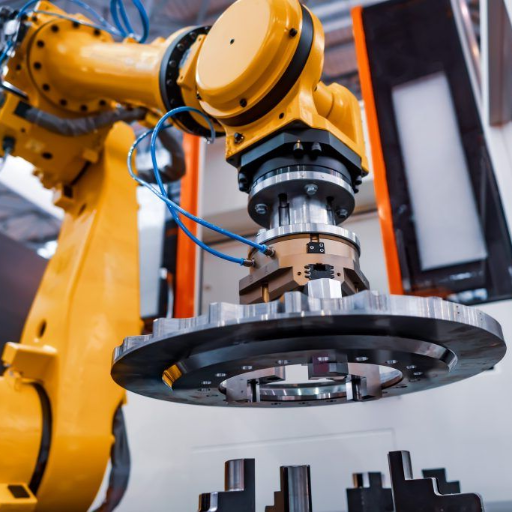
Precision machining relies on advanced tools and technologies to achieve high accuracy and efficiency. High-performance CNC machines deliver minimal error and consistent precision. These machines work alongside cutting tools—the best made from carbide or ceramics—providing durability and the capability to process various materials with high accuracy.
CAD/CAM Software
Precise planning and simulation
Automation
Robotic arms and pallet changers
CMM Measurement
Stringent tolerance verification
CNC Machines
Low error, high precision
Long-Term Maintenance and Durability Tips
Regular Cleaning
Keep machinery and associated areas clean to prevent dirt from interfering with operation and causing wear. Use manufacturer-approved cleaning equipment and agents.
Scheduled Lubrication
Lubricate all moving parts adequately to reduce friction and minimize wear. Follow manufacturer recommendations for lubrication type, amount, and application intervals.
Routine Inspections
Perform regular equipment inspections to monitor condition and identify wear, misalignment, or potential failure early. Quick problem resolution prevents costly repairs or downtime.
Parts Replacement
Replace worn or damaged parts before the end of their useful life with high-quality, compatible components. Authentic parts ensure prolonged machine life and reliability.
Environmental Control
Maintain proper temperature, humidity, and cleanliness ranges in the workspace. Extreme conditions negatively impact machine performance and lifespan.
Frequently Asked Questions
Reference Sources
-
Low Eddy Current RF Shielding Enclosure Designs for 3T MR Applications
This paper discusses the mechanisms of EMI shielding, including reflection and absorption, and their applications in enclosure designs. -
Experimental Demonstration of Heat Loss and Turn-Down
A study on radiative heat loss in aluminum blocks, relevant for understanding heat management in aluminum enclosures. -
Heat Capacity of Aluminum
This resource examines the thermophysical properties of aluminum, which are critical for thermal storage and heat management applications. - Custom Aluminum CNC Machining Service from China
- Custom Aluminum CNC Machining Service