





Machining thin-wall aluminum is a process that requires great care and delivers significant rewards, requiring accuracy, skill, and appropriate methods. The metal’s light weight and adaptability make it the material of choice across industries; however, machining thin walls introduces challenges, including maintaining structural integrity, preventing shape changes, and controlling temperature. In this piece, we will discuss the tactics and best practices that engineers and craftsmen can use to succeed in their thin-wall aluminum projects. Whether your goal is to reduce chatter, improve tooling, or achieve a better surface finish, this manual offers practical ideas to help you achieve the precision and confidence required in very exacting machining operations.
Understanding Thin-Wall Aluminum
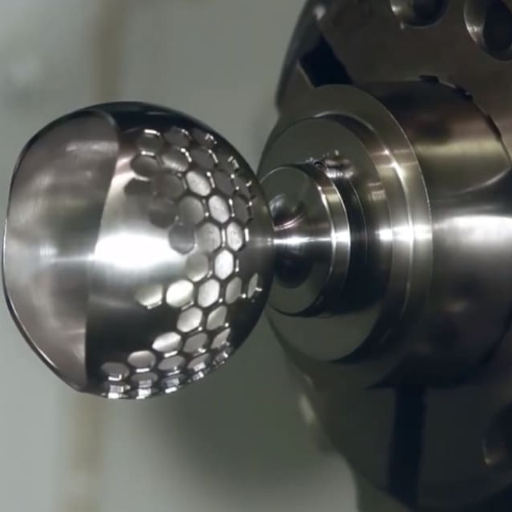
Thin-wall aluminum is an aluminum alloy with a wall thickness that is relatively low compared to its overall dimensions. These components are used in the aerospace, automotive, and electronics sectors due to their low weight and high strength-to-weight ratio. On the other hand, machining such parts can be challenging because they tend to distort, vibrate, and heat up during machining. To tackle these issues, it is necessary to use the right tools, apply best machining practices, and provide the proper material support to achieve the desired precision and productivity.
What is Thin Wall Aluminum?
Thin-wall aluminum refers to aluminum material with significantly reduced wall thickness or part dimensions compared to conventional designs. It is widely used in industries such as aerospace, automotive, and electronics, where the requirement is to reduce weight without compromising strength. The lightweight metal, characterized by exceptional mechanical properties, corrosion resistance, thermal conductivity, and malleability, is widely used across many industrial sectors. One of the significant challenges in machining or fabricating thin-wall aluminum is distortion caused by the material’s flexibility, tool vibration, and heat concentrated at the cutting point. All these factors lead one to resort to advanced techniques and exact equipment to achieve the desired results without compromising the part’s integrity or function.
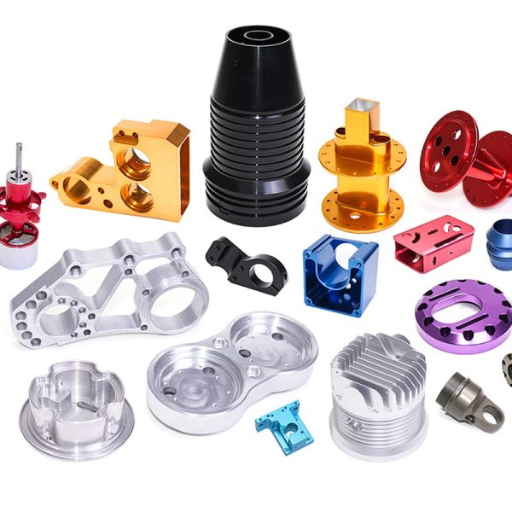
Applications of Thin-Walled Parts
- Aerospace Industry
The use of lightweight, durable, thin-walled components in aircraft structures has enabled simultaneous efficiency gains and fuel consumption reductions. - Automotive Sector
Thin-walled parts, in various forms such as vehicle frames, engine components, and heat exchangers, have been significant contributors to automotive performance and weight reduction. - Medical Devices
Precision-engineered thin-walled structures play a crucial role in the manufacture of surgical instruments, implants, and diagnostic equipment. - Electronics Industry
Thin-walled enclosures and heat sinks are critical for protecting and cooling sensitive electronic components. - Consumer Goods
Products made from lightweight materials, such as cookware, sports gear, and portable devices, often employ thin-walled designs to enhance practicality and usability.
Benefits of Using Aluminum in Thin Wall Machining
💎 Lightweight
The low density of aluminum makes it possible to produce very light components that are again a decisive factor in the aerospace and automotive industries.
💪 High Strength-to-Weight Ratio
Aluminum, while being light, still has the excellent mechanical strength that is a guarantee of its durability in a wide range of uses.
🛡️ Corrosion Resistance
Aluminum’s resistance to rust and its ability to remain in good condition for a long time in harsh environments are due to the natural oxide layer that it forms which is a protective one.
⚙️ Excellent Machinability
The easy machinability of aluminum enables higher precision in thin-walled designs.
🔌 Thermal and Electrical Conductivity
Aluminum, being of high thermal and electrical conductivity, is the best choice for applications like electronic housings and heat sinks.
Challenges in Machining Thin Wall Aluminum
⚠️ Key Challenges to Address
- Deformation During Machining: Thin-wall aluminum is susceptible to deformation under machining forces, making it difficult to maintain tight tolerances.
- Chatter and Vibration: The lower structural rigidity of thin walls can lead to chatter and vibration, adversely affecting surface finish and precision.
- Heat Build-Up: Aluminum’s high thermal conductivity can cause excessive heat dissipation in thin walls, leading to thermal distortion or tool wear.
- Difficulty in Clamping: Machining requires securely clamping thin workpieces without causing damage or distortion, which is challenging.
- Tool Wear and Breakage: Using accurate tools to machine thin walls increases the risk of tool wear or breakage, especially during high-speed operations.
Common Issues Faced by Machinists
Addressing Chatter in Thin Wall Machining
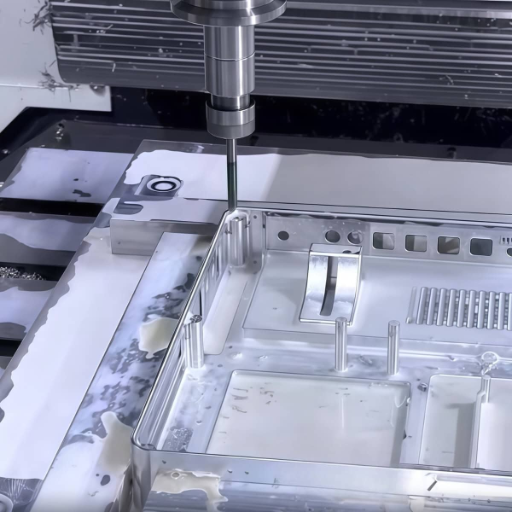
Chatter in thin-wall machining is a frequent concern resulting from the tool-workpiece interaction, and it negatively affects the surface finish, the dimensions, and the life of the tool. The effective elimination of chatter requires a combination of strategic and technological techniques.
🔧 Proven Techniques for Chatter Reduction
1. Tool Selection
The use of tools with improved geometries, such as those with variable helix angles, can help reduce vibrations and chatter. Machining thin walls also requires tools with greater rigidity and strength.
2. Cutting Parameters
Modifying the cutting, feed, and depth-of-cut rates until the stability zone is reached may reduce chatter. In most cases, lowering spindle speed whilst maintaining an appropriate feed rate is an effective way to avoid resonance.
3. Workholding Solutions
By clamping the workpiece using strong clamps or applying vacuum fixtures, movement is tactically reduced and stability is significantly increased during machining. It is fundamental to reduce the setup’s flexibility to counteract the initiation of vibrations.
4. Dynamic Dampening Systems
Machines with built-in active damping systems can significantly reduce vibration. Using vibration absorbers tuned for your tools can be as effective.
5. Software-Assisted Analysis
The use of predictive algorithm-driven simulation and machining software can not only pinpoint areas where vibrations are likely to occur but also suggest the most efficient machining strategies. Utilizing dynamic analysis tools to pre-determine machining steps and pinpoint stable milling areas is part of the modern technology arsenal.
6. Experimental Testing
Operators can test various combinations of tooling, speed, and cut strategy on dummy parts before production to refine the process and ensure top-quality production.
The dramatically lower chatter and the simultaneous increase of the quality and precision of the machining of thin walls are sure to skyrocket if the combination of these techniques and the innovation in machining tools and software is brought to bear on the manufacturers.
Thermal Expansion Considerations
Thermal expansion is a very important consideration in the machining process, and especially when dealing with temperature-sensitive materials. Heating the material during machining can cause it to expand, and if this is not adequately controlled, dimensional inaccuracies will result. Using temperature-controlled settings, applying cutting fluids to dissipate heat, and selecting materials with low thermal expansion coefficients are among the methods manufacturers can use to minimize thermal expansion effects. Another method is to let the parts cool naturally before taking final measurements, which helps ensure more precise, consistent production of the finished product. Proper planning and control of thermal effects are essential to maintaining the integrity and quality of machined parts.
Best Practices for Thin Wall Machining
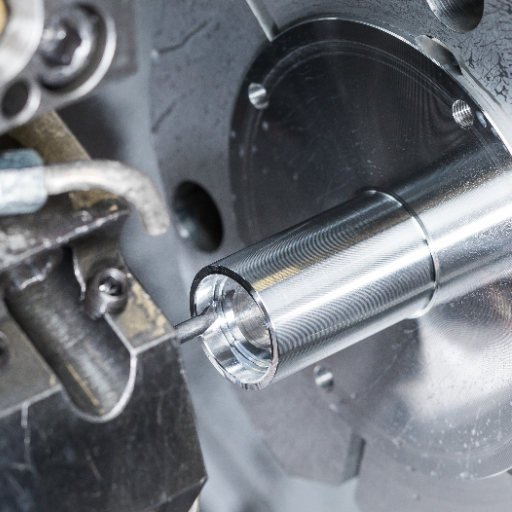
To achieve accuracy and prevent deformation during thin-wall machining with cutting tools, it is essential to use sharp tools and reduce cutting forces by selecting proper feed rates and depths of cut. Good clamping methods eliminate vibrations and provide stability during machining. The application of coolant is a good way to manage heat during the machining process while using multiple light cuts has the advantage of reducing the risk of warping. Also, using materials with the right characteristics and applying modern simulation tools help anticipate and prevent potential issues.
Optimizing Cutting Speeds for Aluminum
Finding the correct cutting speed for aluminum involves weighing up tool life against productivity. This metal family is characterized by its softness making it possible to operate at very high cuts, and thus the alloy that lets one go the highest has a hardness that is lower than the others.
📊 Recommended Cutting Speed Range
200 to 600 SFM (Surface Feet per Minute)
Depending on the exact aluminum grade and cutting tool material, recommended cutting speeds are usually between 200 to 600 surface feet per minute (SFM). Carbide tools usage can allow for faster speed, on the other hand, HSS tools are more appropriate for slower speeds.
Lubrication and cooling during machining are necessary to prevent tool wear and provide an even finish. Tool manufacturer guidelines should always be consulted for the most accurate speed recommendations.
Choosing the Right Tools and Equipment
Machining of thin-walled parts requires the right tools and equipment selection to ensure optimal performance and prevent damage to the workpiece. Thin walls can deform easily under machining vibrations and cutting forces; therefore, using proper tooling and techniques is vital. Rigid carbide cutting tools are most commonly used for their good heat resistance and minimal tool deflection. Moreover, the use of tools with very sharp cutting edges and high rake angles can effectively reduce forces, thereby preventing excessive pressure on the thin walls.
Workholding is also critical; modular or vacuum clamps can securely hold the workpiece without distorting its structure. The use of advanced machining technologies, such as five-axis CNC machining, provides greater control over tool motion and greater precision. Thermal stability is achieved through proper cooling systems and lubricants that minimize friction. Appropriate selection of tools, cutting parameters, and holding methods enables machinists to produce accurate, defect-free results in thin-wall machining. Manufacturer recommendations and guidelines should always be consulted for best practices.
Adequate Depth of Cut Techniques
💡 Best Practices for Depth of Cut
Roughing Operations
Smaller depths of cut, along with higher feed rates, work to the operator’s advantage by quickly removing material while keeping the operation stable.
Finishing Steps
The depth of cut should be further reduced to avoid vibration and achieve the exact dimensions.
Tool Selection
In many cases, it is beneficial to use tools with smaller diameters and sharper edges, as this reduces cutting forces. It is necessary to continuously monitor the tool engagement and adjust the depths accordingly to maintain rigidity and avoid excessive pressure on the workpiece.
Advanced Techniques for Precision and Efficiency
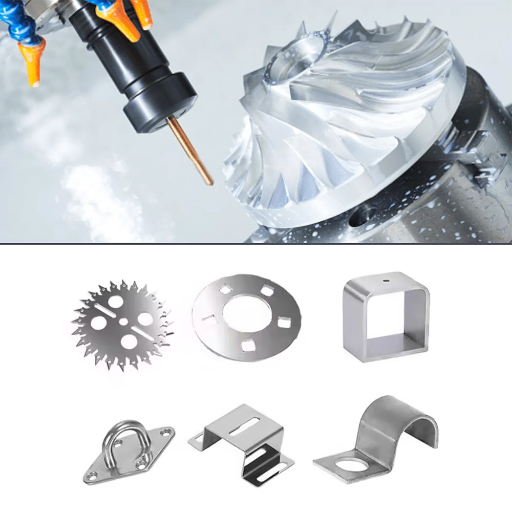
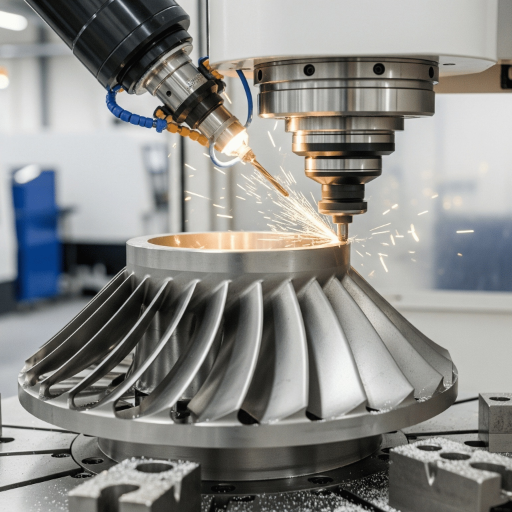
Cutting parameters and tool selection should be optimized to achieve precision and efficiency in thin-wall machining. To minimize deflection while maintaining stability, use high-speed cutting with shallow depths of cut. Climb milling shall be used to reduce cutting forces and improve surface finish. Specialty tooling, e.g., end mills for thin-wall applications, will be used to maintain rigidity and prevent chatter. Use toolpath strategies such as trochoidal milling to distribute cutting forces evenly and reduce heat generation. Regular monitoring and tuning of machine settings are vital for producing consistent, accurate results.
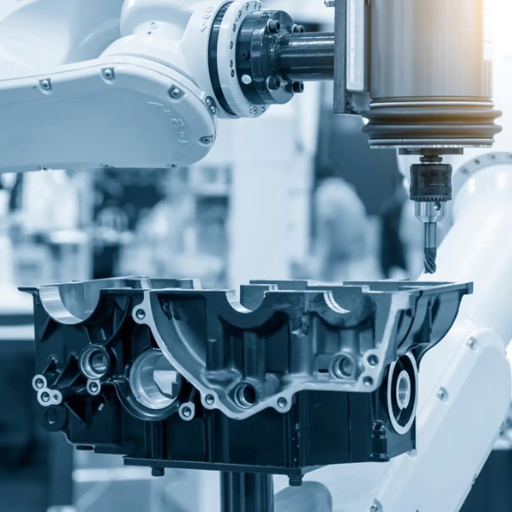
Utilizing CNC Machining for Thin Walls
CNC machining of thin walls requires precision to be the first priority and no deformation or destruction at all. The main practices are as follows:
⚡ Optimize Feed Rates and Cutting Speeds
A proper ratio between the two minimizes the force on the thin walls, preventing distortion or failure.
🔪 Use Sharp and Appropriate Tools
Cutting tools of the highest quality, designed explicitly for thin-wall machining, should be used to achieve clean cuts and reduce resistance.
🔧 Support Workpieces Properly
Mounts or supports should be used to securely hold the workpiece during machining, thereby improving accuracy and reducing vibration.
❄️ Maintain Coolant and Lubrication
A sound cooling system is essential for the avoidance of heat development which might lead to warping or softening of thin walls.
📏 Limit Depth of Cut
Cutting depth should be kept shallow to avoid stressing fragile areas and preserving the structure’s integrity.
These techniques ensure that CNC machining of thin walls is performed with higher precision, improved surface quality, and overall success.
Innovative Strategies to Minimize Distortion
Avoiding distortion in thin-wall machining is challenging and requires integrating advanced techniques and technologies. One of the most revolutionary methods is dynamic machining controls, in which toolpaths are modified in real time to compensate for deflections and vibrations. The process is achieved through software algorithms and sensor feedback that continuously monitor and adapt to machining conditions, thereby improving stability and accuracy.
🚀 Cutting-Edge Distortion Prevention Techniques
1. Dynamic Machining Controls
Real-time toolpath modification via software algorithms and sensor feedback that continuously monitor and adapt to machining conditions, thereby improving stability and accuracy.
2. Additive Manufacturing Support Structures
Temporary support structures are fabricated via additive manufacturing for delicate parts, thereby increasing rigidity during machining. After the tool finishes, the support is removed without any issues.
3. Low-Stress Clamping Systems
Technology that uses magnetic or vacuum-based systems to clamp the workpiece uniformly, minimizing stress that could otherwise cause distortion. The use of these systems is particularly advantageous for delicate, thin-walled parts where conventional clamping pressure is not feasible.
4. Finite Element Analysis (FEA)
Integration at the design stage plays a significant role in predicting stress concentrations and deformation risks before machining begins. By creating a virtual model of the production process, technicians can identify and prevent issues, thereby safeguarding the entire workpiece.
The aforementioned innovative techniques, along with sound material knowledge and precise tooling, will ensure that thin-wall machining produces the desired outcome with minimal to no distortion.
Material Considerations in Thin-Wall Aluminum Machining
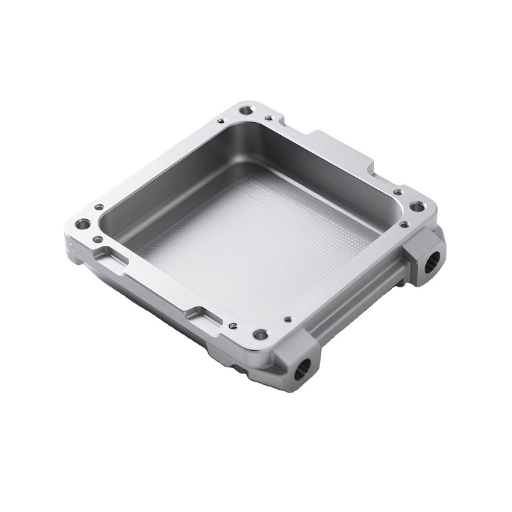
Material considerations are critical to achieving optimal results when cutting thin-wall aluminum. Aluminum is the material of choice for its low density, high strength-to-weight ratio, and good machinability; it is also easy to form. However, the alloy composition, tempering conditions, and grain structure must be considered, as they influence the material’s behavior during machining. Selecting the right aluminum alloy and understanding its thermal conductivity, corrosion resistance, and tensile strength can significantly reduce the risk of deformation while improving overall machining accuracy. If the right materials are selected, the machining process will be precise throughout, and the challenges that could arise from improper material selection will be minimized.
Choosing the Right Aluminum Grades
The selection of aluminum grades must account for the application’s specific requirements. 6061 is one of the most widely used grades, offering high strength and flexibility, making it ideal for structural and aerospace applications. Another grade is 7075, which offers superior strength and is well-suited to high-stress applications. If excellent corrosion resistance is required, 5052 is the most reliable option, especially in marine or outdoor environments. To ensure optimal performance and efficiency, it is crucial to select a grade that balances strength, corrosion resistance, machinability, and cost.
Understanding Alloy Properties and Their Impact
The properties of mixed metals significantly affect their applications across fields such as construction, transportation, consumer electronics, and aerospace. A case in point is 6061 aluminum alloy, which offers easy machining and corrosion resistance; thus, it is widely used in engineering applications that demand light yet strong materials. Likewise, the very light yet strong properties of 7075 account for its use in the aerospace and automotive industries, making high-pressure environments its primary application areas.
Knowledge of these properties, therefore, is an advantage for engineers and designers, as it provides guidance on selecting the right material for different conditions. For example, the question “Which alloy is best for marine applications?” can be answered by considering corrosion-resistant options such as 5052. On the contrary, high-stress applications require alloys such as 7075 for their excellent tensile strength.
Evaluating the Influence of Surface Finish
Surface finish significantly influences the performance and longevity of materials, especially in challenging applications. A well-polished surface offers many benefits: it is less prone to wear, more corrosion-resistant, and more friction-friendly, among others. On the other hand, a highly rough surface may experience greater wear and develop cracks under stress, ultimately leading to failure. The choice of the right surface finish is determined by the application requirements, taking into account factors such as functionality, cost, and environmental exposure.
-
Sacrificial Structure Preforms for Thin Part Machining
- A study discussing strategies for machining thin aluminum parts, starting with stress-relieved plate stock.
-
Fixed-Free Beam Dynamics Prediction for Thin Rib Machining
- Research on producing monolithic metallic components with thin ribs through subtractive manufacturing.
-
- A guidebook covering thin wall milling techniques, including recommendations for aluminum machining.
- Custom Aluminum CNC Machining Service from China
- Custom Aluminum CNC Machining Service
Frequently Asked Questions (FAQs)
❓ How do you control wall thickness and taper during thin-wall machining?
You can mill thin-wall parts and control wall thickness properly by limiting initial cuts to very light radial and axial passes, using a longer tool only when necessary, and resorting to multiple surface cuts rather than aggressive cuts. The pressure and the engagement of the tool should be controlled in such a way that deflection is not produced; also, the finish pass should be planned to remove only a small amount of material which is necessary for final contour and taper correction. The RPM and feed should be adjusted in such a way that chip formation is optimized and a tough fixturing strategy—soft jaws, a vise with good grip, or double-sided tape for single-piece prototypes—should be employed to reduce workpiece movement that results in wall taper.
❓ What mill settings (rpm, feed, flute count) are the most effective for machining thin-wall aluminum?
The cutter should be selected based on the required flute count to achieve the material removal rates and chip evacuation: 2-3 flutes are standard for aluminum to create good chip space, while more flutes can be used for finish passes. Set the RPM high enough to keep the chip load within the cutter and material recommendations; decrease the feed per tooth to reduce lateral forces on the thin wall. Spindle speed and feed should be balanced so that chips are short and evacuation is efficient—if necessary, use pecking or air blast.
❓ How should you machine the perimeter and profile the exterior of a thin-walled component?
When profiling the outer boundary, climb milling should be used wherever possible to minimize tool pressure and lead-in/lead-out should be implemented to prevent sudden engagement. Roughing and finishing strategies must separate heavy material removal from final profiling: roughing should be performed at higher material-removal rates with reduced radial engagement, and finish passes should be performed at lighter axial depths to preserve wall geometry. Use a longer, thinner cutter to machine the perimeter only if the area is inaccessible, then switch to shorter tools for finish profiling to reduce deflection.
❓ Which fixturing techniques (vise, soft jaws, double-sided tape) are best suited for thin-wall techniques?
Fixtures are crucial: for series production, use a vice with machined soft jaws or a bespoke fixture that distributes grip over the workpiece to avoid local deformation. For fragile or thin walls, double-sided tape or vacuum clamping can be used for one-piece or light operations, but cutting forces are limited. Design the fixtures to support the part near the machining areas and to provide access for contouring and final part features, while minimizing the unsupported wall length.
❓ What are the effects of axial cutting versus radial cutting strategies on thin-wall aluminum machining?
The engagement type, whether axial or radial, has a different effect on deflection. To reduce inward lateral forces that might cause walls to bend, the radial engagement (step-over) should be reduced; conversely, the axial depth of cut may be increased in areas where the cutter and fixturing can support it. For roughing, use lower radial but higher axial passes; for finishing, use shallow axial depth with minimal radial contact to maintain wall thickness and surface quality.
Conclusion
Mastering thin wall aluminum machining requires a comprehensive understanding of material properties, advanced tooling techniques, and innovative strategies to minimize distortion and chatter. By implementing the best practices outlined in this guide—from optimizing cutting speeds and selecting appropriate tools to utilizing cutting-edge technologies like FEA and dynamic machining controls—manufacturers can achieve exceptional precision and efficiency. Whether you’re working in aerospace, automotive, or electronics industries, the key to success lies in careful planning, proper equipment selection, and continuous process refinement. With dedication to these principles, you can overcome the challenges of thin wall machining and produce high-quality components that meet the most demanding specifications.