





The field of robotics is making great strides and leading the way through innovations. One of the significant difficulties that comes with the design of robotic systems, especially the arms and chassis, is to find the exact amount of force, efficiency, and mobility that could be used. The world of precision aluminum parts—very light, very tough, and very necessary for the future of robotics—comes into the picture. Today’s blog post will help you better understand how these first-class parts directly contribute to the lighter weight of robotic arms and chassis, which in turn leads to better performance and lower power consumption. Reading this blog will give you a better understanding of the advantages, uses, and developments that make precision aluminum parts a plus in robotics engineering.
Introduction to CNC Machining in Robotics
CNC machining, or Computer Numerical Control machining, is a manufacturing process that produces precise, complex parts essential to robot operation. The use of automated control and specialized tools enables CNC machining to manufacture parts with the utmost accuracy, repeatability, and efficiency. This process has found widespread application in the robotics industry, where precision is the most critical factor in producing lightweight yet strong parts such as arms, joints, and panels. The ability to work with aluminum enables engineers to optimize the strength-to-weight ratio, improving performance and reducing energy consumption. CNC machining has become essential in the robotics industry, as it can produce highly accurate parts that meet the strictest standards.
What is CNC Machining?
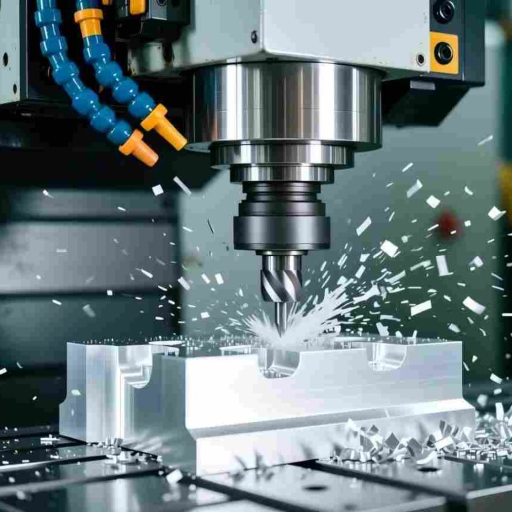
CNC (Computer Numerical Control) machining is a manufacturing process in which the factory’s tools and machines are controlled by pre-programmed computer software. This technology enables precise control over the execution of complex tasks that were previously performed manually and would have been very hard or impossible to achieve otherwise. Using various tools, CNC machines can cut, shape, or drill materials to prescribed sizes or forms. The process starts with a digital design, typically created in CAD (Computer-Aided Design) software, which is then translated into CNC machine-readable instructions. The entire operation is automated to ensure accuracy, repeatability, and consistency at a very high level, making it cost-effective for industries such as aerospace, robotics, automotive, and medical device manufacturing. Moreover, the CNC machining process can be operated on a wide range of materials including metals, plastics, wood, and composites, which contributes to its being versatile and having a high value in production even more.
Importance of CNC Machining in the Robotics Industry
The precision and versatility of CNC machining are the main factors that make it play a significant role in the robotics industry. Robotics typically produces components with intricate joint mechanisms and high-performance, customized manipulator end-effectors. CNC machining’s ability to produce components with tight tolerances makes robotic systems reliable and efficient, which is critical in industries such as healthcare, manufacturing, and logistics.
Recent insights indicate that advances in robotics are driving demand for lightweight, durable materials such as aluminum and titanium, which are readily machined using CNC. The technology’s support for complex geometries also enables engineers to innovate without limitations, leading to cutting-edge robotic designs. Moreover, CNC machining ensures scalability, allowing manufacturers to produce prototypes and transition to full-scale production smoothly, keeping pace with the growing robotics market with precision and speed. This mix of capabilities makes CNC machining an essential technology for robotics innovation.
Overview of Robotics Applications for CNC Machining
CNC machining is critical in robotics, enabling the production of highly detailed, intricate parts. It is the primary technology for producing components such as robot arms, joints, and precision gears, which must be highly accurate and strong to perform both fine and repetitive tasks. Moreover, CNC machining helps in the manufacturing of light yet strong frames, thus, increasing the robots’ efficiency and versatility in the range of applications from industrial assembly lines to medical devices. The technology enables rapid prototyping and scalable production, allowing robotics engineers to test designs quickly and efficiently proceed to production. Its ability to work with various materials, such as metals and plastics, enhances its versatility as a solution for tackling diverse challenges in modern robotics.
Benefits of CNC Machining for Robotic Components
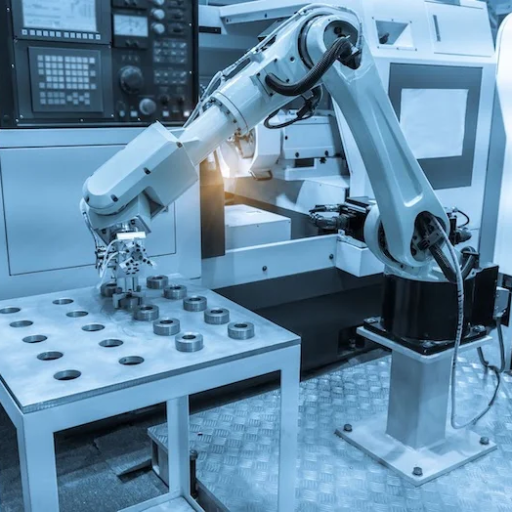
- Precision and Accuracy: CNC machining is capable of replicating components with great precision and accuracy thus making sure that the robotic systems will perform at their best and will be reliable.
- Consistency in Production: Fully automated CNC machining ensures consistent quality standards throughout the production run, reducing errors and increasing productivity.
- Material Versatility: CNC machining is compatible with numerous materials, including metals, plastics, and composites, enabling it to meet the diverse requirements of robotic design.
- Rapid Prototyping: Engineers can create and modify designs more quickly with CNC machining, thereby accelerating the innovation process and shortening time-to-launch.
- Scalability: CNC machines can produce either a small or large number of components, making them well-suited to varying production needs.
Precision and Accuracy in Manufacturing
In today’s manufacturing, precision and accuracy are critical, which is why every product complies with specified requirements and maintains a high quality level. Among all machining processes, CNC machining, one of them, greatly surpasses others in the phenomenon of conquering precision as it is capable of often getting exactness with tolerances being just a few microns wide. This feature is of tremendous importance for sectors such as aerospace, medical, and automotive, where even slight variations can have significant impacts. Investment in the most precise and reliable machinery is surging, with CNC machining, robotic systems, and AI-driven systems becoming increasingly popular as partners for the industry to meet demand for high-performance precision applications.
Enhanced Durability of Components Made with CNC
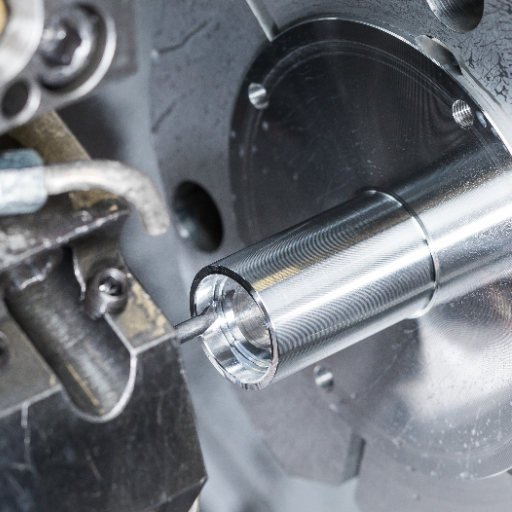
Robotic components: CNC turning is one of the most effective manufacturing methods. One of the main benefits of CNC turning is to enhance durability. Each piece is produced with very few to no flaws using CNC machining, the most accurate method in the field, reducing the risk of structural weaknesses. The use of high-end materials such as titanium, stainless steel, and aluminum, which offer high strength and toughness, is commonplace in CNC machining; therefore, their application to robots is highly efficient and well aligned with the needs of robots that require these properties. Again, CNC machining is a way for engineers to get parts that are of the same quality and have minimal tolerances which makes it possible for parts to lose performance no matter how long they are subjected to motion and stress. Components are not shut down simultaneously; efficiency is maintained. Systems are thus designed to last longer.
Efficiency Gains in the Robotics Manufacturing Process
The adoption of CNC machining has significantly increased the efficiency of robotic component manufacturing by automating processes with high accuracy and speed. CNC machines can produce complex designs with very few errors, significantly reducing time and material waste during production. Additionally, CNC machining can repeat the same process for each piece, reducing discrepancies and simplifying maintenance and assembly. By improving production processes and reducing nonproductive time, CNC machining not only makes manufacturing economically viable but also meets the quality standards required by modern robotics.
Lightweighting in Robotic Design
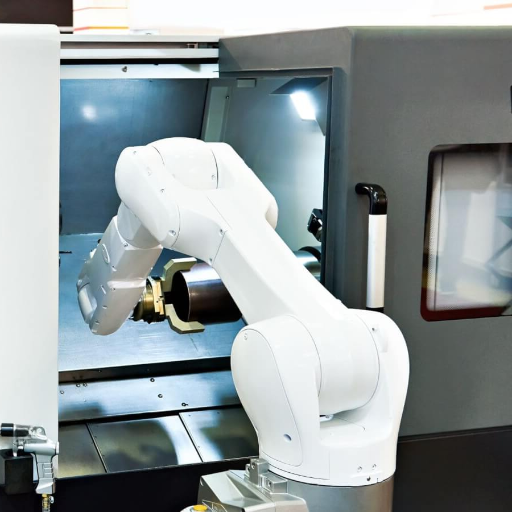
In robotic design, lightweighting is the process of reducing the overall weight of robotic systems without sacrificing performance through advanced materials and structural optimization. The use of materials such as carbon fiber, aluminum alloys, and premium polymers enables designers to build robots that are more energy-efficient, faster, and highly maneuverable. Additionally, weight reduction reduces strain on motors and actuators, leading to longer component life and lower power consumption. This method is critical in situations where speed and stamina are the primary factors, such as in drone and industrial robot automation.
Importance of Lightweight Materials
Lightweight materials are indispensable because they are the primary drivers of efficiency and performance in many applications. The energy provided to the system is better utilized. The operation is faster, and product life is longer due to the overall weight reduction of vehicles, machinery, and devices. The use of these materials is especially critical in the aerospace, automotive, and robotics industries, where weight reduction translates to substantial fuel- or energy-use savings without compromising strength and reliability. They also help the environment by reducing resource consumption and emissions throughout the product’s life cycle.
Precision Aluminum for Robotic Arms and Chassis
Using precision aluminum in robotic arms and chassis has driven the evolution of modern engineering and automation. The aluminum’s light weight and strength properties have made it the perfect candidate for the manufacture of robot components which need to be very precise and very mobile. Moreover, aluminum’s corrosion resistance extends its service life and enables its use in harsh or industrial environments. Moreover, as robots become more efficient, aluminum offers excellent thermal and electrical conductivity and machinability, resulting in shorter production cycles and better energy consumption control.
Aluminum is used for robotic components because it offers a good balance of strength and weight. The weight of aluminum reduces that of motors and actuators, resulting in smoother operation and lower energy consumption. On the other hand, aluminum can be cut or shaped to meet design requirements because of its soft, pliable properties. Thus, it provides ease of movement and the required flexibility in intricate robot systems. Advances in alloy development have made aluminum even stronger and more heat-resistant, making it suitable for high-performance robotics. Hence, its unique properties make aluminum the only material in the industry.
Techniques for Optimizing Weight and Strength
Optimizing materials such as aluminum for weight and strength in robotics applications is not straightforward, as it requires advanced engineering techniques and innovations in materials science. One technique that has played a significant role is the finite element analysis (FEA) which enables engineers to create a model where stresses and strains can be applied to a component and identify which areas could be relieved of some weight without loss of strength. The introduction of advanced alloys such as, for example, aluminum-lithium alloys, further increases the ratio between strength and weight, which makes them highly suitable for applications where low weight and high performance are required.
Additionally, alongside this technique, high-precision manufacturing technologies, such as 3D printing and CNC machining, are used to create complex designs with optimized material distribution. Techniques for structural optimization, such as topology optimization, take the design one step further by removing unnecessary material while maintaining structural integrity. To do this, industries must combine these techniques with cutting-edge data and computational tools to achieve unprecedented efficiency in robotic systems while ensuring high performance and durability.
Advanced CNC Machining Technologies
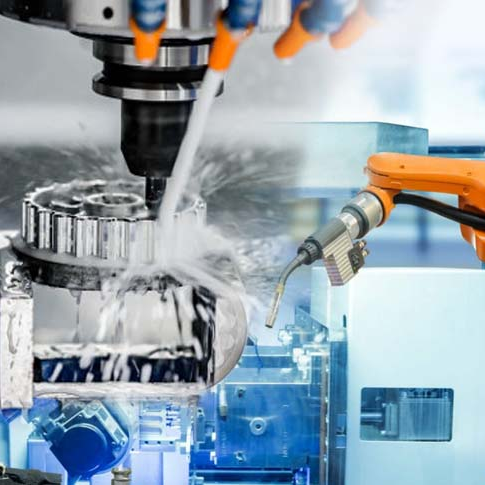
Precision, efficiency, and adaptability are key to advanced CNC machining technologies that meet complex manufacturing requirements. Innovations such as multi-axis machining, high-speed milling, and hybrid machines that combine additive and subtractive processes allow the production of intricate, optimized parts. The use of these technologies leads not only to faster production times but also to reduced material waste and improved accuracy. It is, therefore, that the components are made according to exact specifications which results in their performance being robust in different applications.
Multi-Axis CNC Machining and its Applications
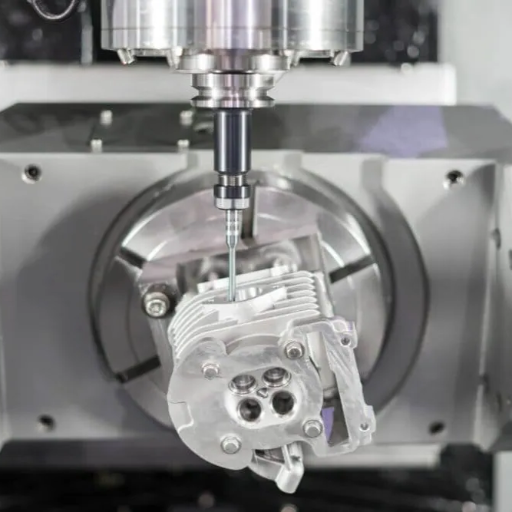
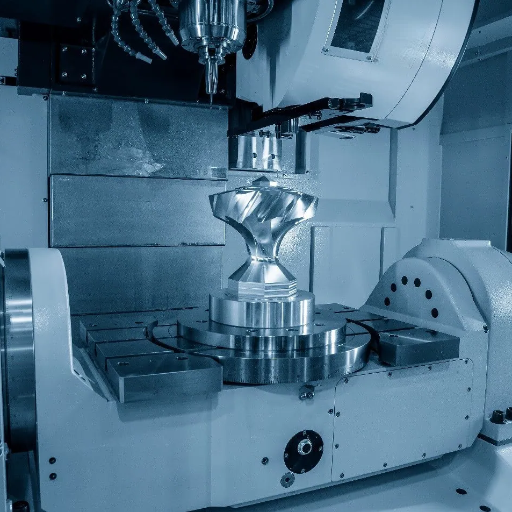
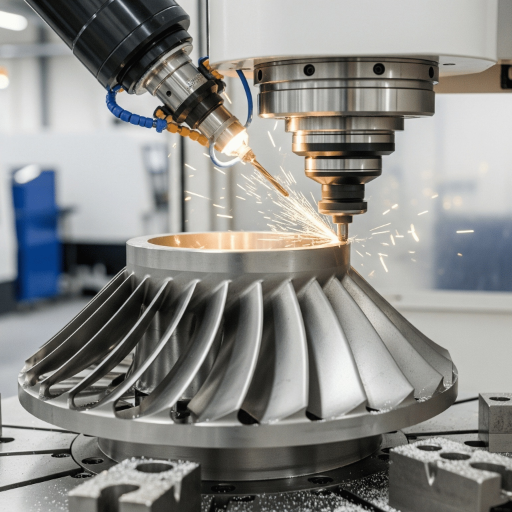
Multi-axis CNC machining is a technique that uses computer numerical control to move both tools and workpieces simultaneously along multiple axes. This advanced process enables the creation of intricate shapes with exceptional precision, making it indispensable in aerospace, automotive, and medical device manufacturing. Examples include turbine blades, engine parts, and complex medical implants. Since multi-axis CNC machining requires fewer tool changes and setups, it enables manufacturers to increase efficiency, precision, and uniformity while reducing errors and scrap. Its adaptability has made it a primary technology for the challenges of today’s manufacturing sector.
CNC Automation and Robotic Integration
CNC automation, together with robotic integration, represents a significant shift, already elevating the manufacturing sector in both productivity and precision. The combination of CNC machines and robots allows the manufacturers to enjoy uninterrupted production, less manual work and full-day production. Robotic operators can perform material loading and unloading, part inspection, and other repetitive tasks with very high accuracy; thus, human staff can be involved only in areas where they add more value.
This integration of technologies also enables real-time monitoring and data acquisition, allowing businesses to fine-tune their manufacturing processes. A recent search statistic indicates that the market for automated CNC systems with robots is growing steadily as companies across sectors seek to improve productivity and avoid being overtaken by competitors globally. Ongoing developments in AI and machine learning are likely to integrate CNC automation and robotics further, ultimately enabling more flexible production, shorter lead times, and the advancement of the Industry 4.0 movement.
Trends in CNC Robotics and Future Innovations
The adoption of CNC robotics in production has ushered in a new era of manufacturing improvement, driven by advances in technology and data. Increasingly, manufacturers are interested in robots that collaborate with humans and enhance both productivity and safety. This trend indicates a shift from traditional robotic systems in manufacturing, which require a high level of technical expertise, to more adaptable, user-friendly systems. Furthermore, AI-rich CNC systems enable predictive maintenance, reducing machinery downtime and increasing overall equipment efficiency and lifespan. Future developments, such as the introduction of 5G for real-time communication and the use of digital twins for advanced simulation, will push the boundaries of CNC arm technology in unprecedented ways. This movement will not only create demand for customization and flexibility but also prepare the ground for fully autonomous production systems.
Manufacturing Processes for Robotic Components
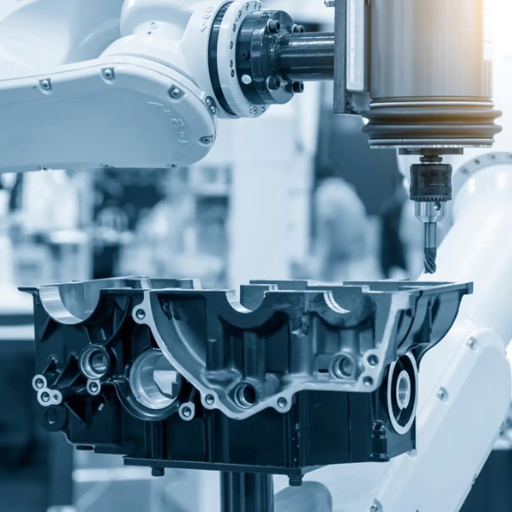
The production of robotic parts relies on advanced, exact technologies and precision engineering to ensure the products are reliable and perform as intended. Machining, 3D printing, injection molding, and assembly are the main processes. The use of cutting techniques, like CNC milling and turning, produces parts with very high precision. Rapid prototyping and the production of complex shapes are enabled by 3D printing, and injection molding is the method of choice for durable plastic parts. Robots composed of integrated components, such as sensors, circuits, and actuators, are assembled with care. The quality, efficiency, and cost of the robotic components produced are determined by the operations performed at each step.
Machine Tending Systems in CNC Machining
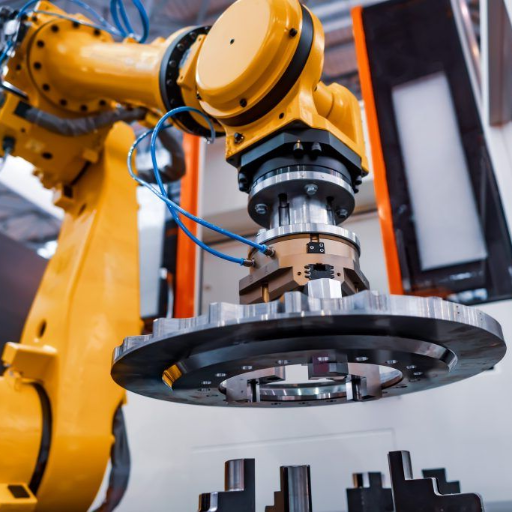
Machine tending systems in CNC machining are automated solutions that load and unload parts from CNC machines with minimal human intervention. Robotic arms with high-tech end-effectors capable of handling workpieces of various shapes and sizes are often integrated into these systems. By employing machine-tending robots, manufacturers can not only increase output but also lower manpower costs and maintain quality standards throughout the production process.
According to the latest data, installing a robotic system for machine tending helps address labor shortages and rising production costs. Sensor technology, AI-based algorithms, and Industrial Internet of Things (IIoT) capabilities are among the features modern systems offer to improve and continuously monitor workflows. The use of these technologies not only increases production-line efficiency and flexibility but also ensures the precision of CNC machining.
Collaborative Robots in Manufacturing
Collaborative robots, often referred to as cobots, are engineered to work alongside human operators, improving safety, productivity, and efficiency in manufacturing. Cobots are not like conventional industrial robots; they feature advanced sensors and specialized programming that enable them to safely interact with humans and adapt to changing work environments. They are the best choice for tasks that are repetitive, precise, or physically demanding; thus, human workers are freed to engage in more sophisticated and creative activities. Cobots are not only affordable but also easy to program, making them available to small and medium-sized enterprises as well as large-scale manufacturers. Their adoption into processes helps eliminate errors, improve production quality, and enable flexible manufacturing.
Challenges in CNC Machining for Robotics
CNC machining of robotic parts faces a significant challenge: achieving the required precision and tolerances remains difficult. In fact, robotic systems require parts with exacting specifications to operate reliably; even slight variations can degrade performance. Material selection is another challenge because some materials used in robots, such as high-tech alloys and composites, are challenging to machine quickly and efficiently. Furthermore, the intricate nature of robot-designed machines requires sophisticated machining techniques that can be time- and skill-intensive. Finally, controlling production costs and delivery times while ensuring high-quality output remains a significant challenge for the industry.
Reference Sources
-
Study on Improving Accuracy in Robotic Milling of Aluminum Alloy | ResearchGate
This paper analyzes the precision and rigidity of robotic milling processes for aluminum alloy parts, which are critical for robotics applications. -
Robotic Machining of Aluminum Alloy: Evaluation of Performance (PDF) | Lund University
A study evaluating robotic machining performance for aluminum alloys, focusing on process parameters and precision. -
Automatic Aluminum Alloy Surface Grinding Trajectory Planning | MDPI
This research proposes a method for optimizing aluminum alloy surface grinding using industrial robots, relevant for lightweight and precise robotic components. - Custom Aluminum CNC Machining Service from China
- Custom Aluminum CNC Machining Service
Frequently Asked Questions (FAQs)
What’s a cnc robot and how is it different from a conventional cnc?
The term cnc robot describes a robotic system paired with CNC technology that is then able to carry out, for example, machining operations, machine tending, or even the manipulation of materials. Instead of stationary setups like lathes or fixed milling machines with a conventional CNC machine, CNC robotic systems allow for more flexibility to, for instance, move parts between different machines, load and unload workpieces, and do such operations as deburring or secondary machining. In fact, robots may operate next to already installed conventional cnc machinery as a way to improve their use and be able to take on complex cutting operations that need multi-axis movement or require larger working areas.
What robotic machining applications are common and what particular machining tasks can robots continue doing?
Robotic machining or cnc robotic applications cover a broad range, including milling, grinding, deburring, polishing, and material removal, among others. And when it comes to the specific tasks that robots do for machining, the list includes cutting, high-speed machining, and finishing where the access or part geometry benefits from the multi-axis movement. Although it is true that, in some ultra-precision cases, robots might still not be able to stand stiff like traditional cnc, they do, however, have the edge in flexible, large-part machining and secondary operations that involve CNC grinders, milling machines, and turning centers.
Which types of cnc robots can be used for cnc machines and robot cells?
Different kinds of cnc robots are articulated multi-axis arms, SCARA robots, Cartesian gantries, and collaborative robots. Articulated robots are the most common choice for very demanding machining tasks and machine tending because they combine long reach with flexibility. On the other hand, collaborative robots can operate in the same space as human workers during light-load tending and secondary processing activities. The choice is based on the specific machining needs, payload, reach, and acceptable cycle time for machine tending operations.
Are components that are made with cnc machining suitable for being used in industrial robot systems?
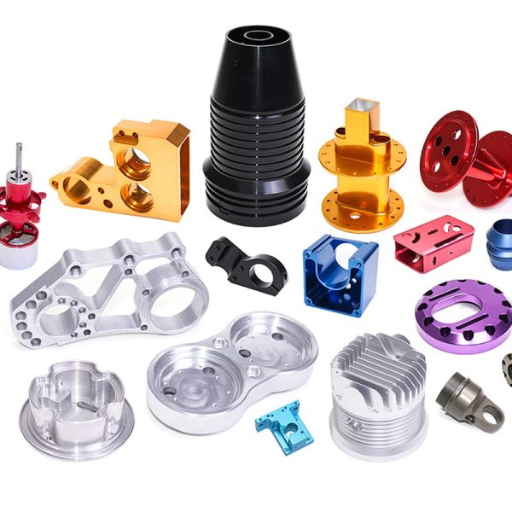
Definitely, components machined with CNC-like precision, such as brackets, gear housings, and custom end-effectors, are among the few that find application in industrial robotics. The accuracy of the machining provided by cnc, along with the tight tolerances, is precisely what robot components need, thereby ensuring reliable assembly and performance. Machine shops generally manufacture parts from a cnc for robotics applications, where durability and exact fit are crucial.
How do cnc machining services and cnc tending robots influence production costs and quality?
The use of cnc machining services or the introduction of cnc tending robots can save costs related to labor, enhance the repeatability of the production process and thereby the quality of the product through the reduction of human error. Automation garners control over process parameters for precision machining and uniform finishes, while cnc tending robots used in this context cut down the time for each cycle and make it possible to run production continuously. The capital outlay is offset by increased machine utilization, more cost-effective scrap reduction, and faster movement of complex parts from the factory to the market.
What is the future of cnc robotics and how will it impact machining operations?
The fate of cnc robotics sees even more robotic cnc cells, tighter machinery and robot integration, and more robotic systems capable of working independently on multiple stations. With improved control, better sensors, and collaborative robots, the reach of cnc technology will only expand for more shops, it will allow for more complex machining tasks and will be highly supportive of high-mix, low-volume production. The merging of cnc machines and robots will not just bring about new habits in industrial robotics and productive robotics workflows but also will come with the hybrid of traditional cnc precision and robotic flexibility, thus reshaping the future.
Conclusion
Precision aluminum parts and CNC machining technology continue to revolutionize the robotics industry by enabling the creation of lightweight, durable, and high-performance components. As manufacturing processes advance and integrate more automation and AI capabilities, the future of robotics engineering looks increasingly promising, with enhanced efficiency, reduced costs, and unprecedented levels of precision.